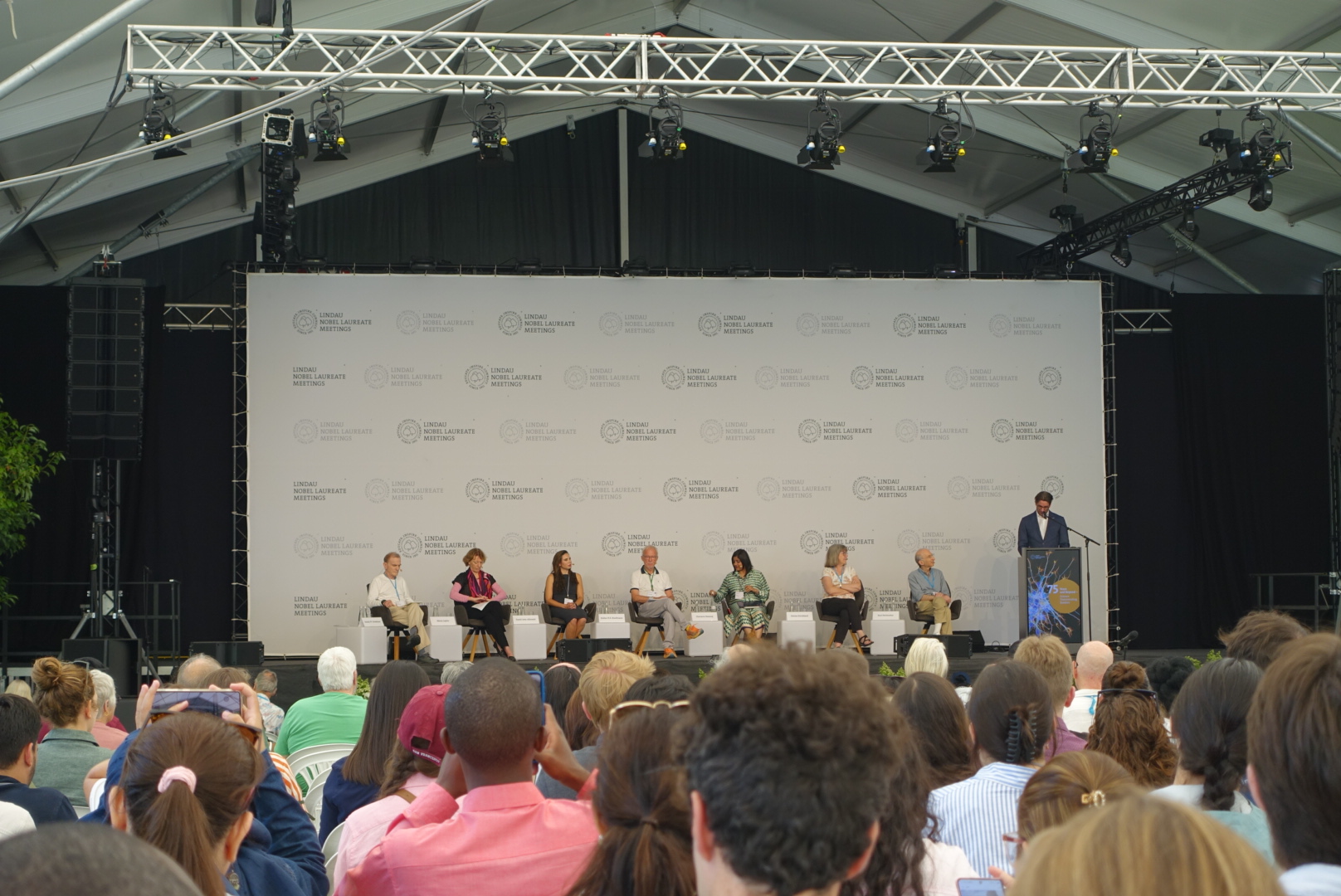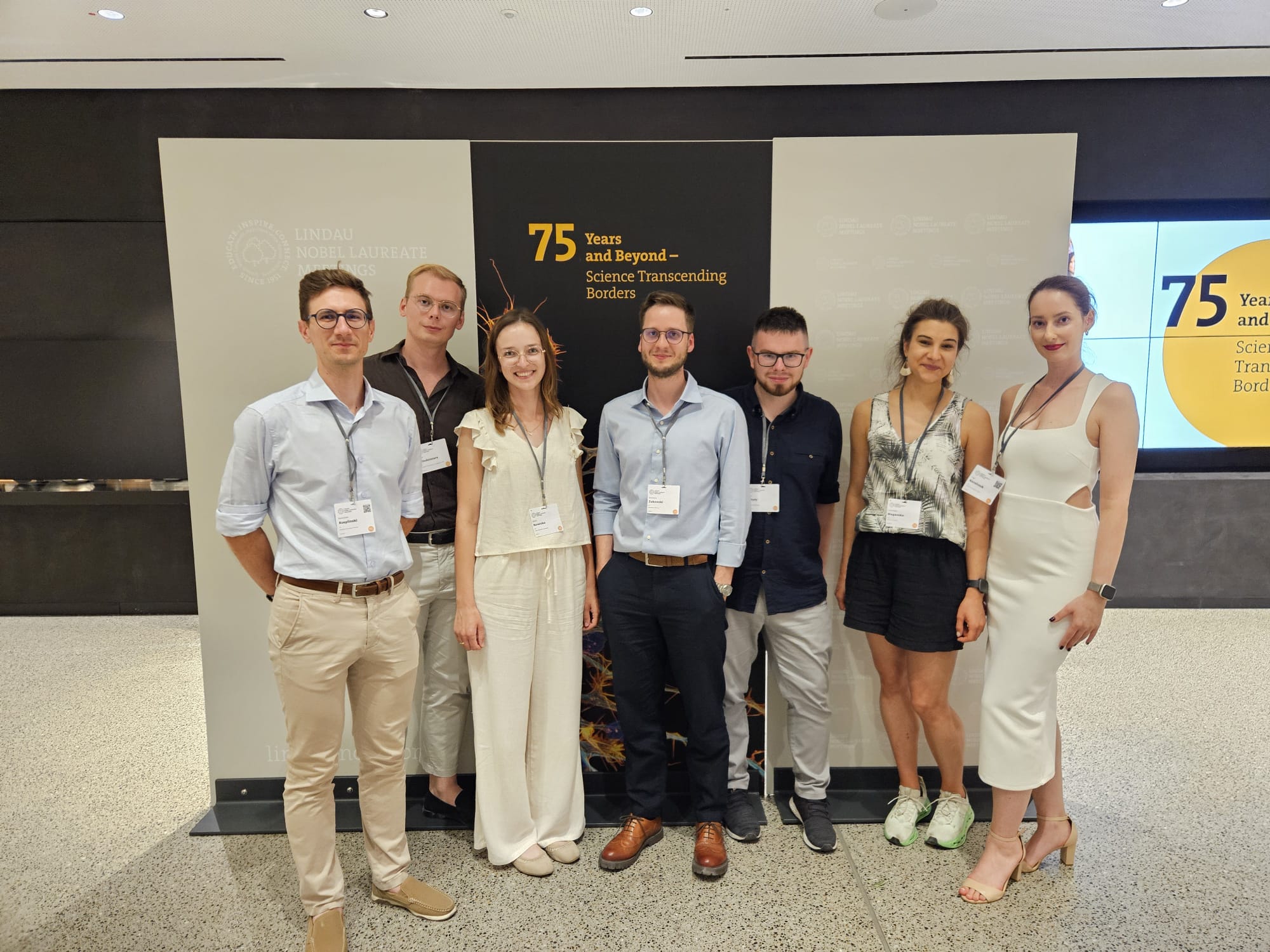
This year's edition of the Lindau Nobel Laureate Meeting was dedicated to interdisciplinary research. The event took place from June 28 to July 3, 2026 in the German town of Lindau on Lake Constance. It brought together 636 young scientists representing 63 countries and 88 nationalities, including undergraduate students, PhD holders, and postdoctoral researchers under the age of 35. The participants had the opportunity to meet nearly 75 Nobel Prize laureates.
Who can speak in the meeting
The selection process for the participation in the event consists of several stages. In Poland, it is coordinated by the Foundation for Polish Science (FNP). The first step is to receive the prestigious START scholarship, which is awarded each year by the FNP to 100 outstanding young researchers from Poland for their exceptional scientific achievements. Then, each year, the Foundation nominates several START scholarship recipients who are eligible to apply to attend the Lindau Nobel Laureate Meeting according to the topic of their field of research. In the final stage of the selection process, applications are reviewed by the Scientific Committee of the Lindau Nobel Laureate Meetings, which evaluates candidates' course of their research careers so far and scientific achievements.
This year, 7 researchers from Poland were ultimately selected to participate in this exceptional event.
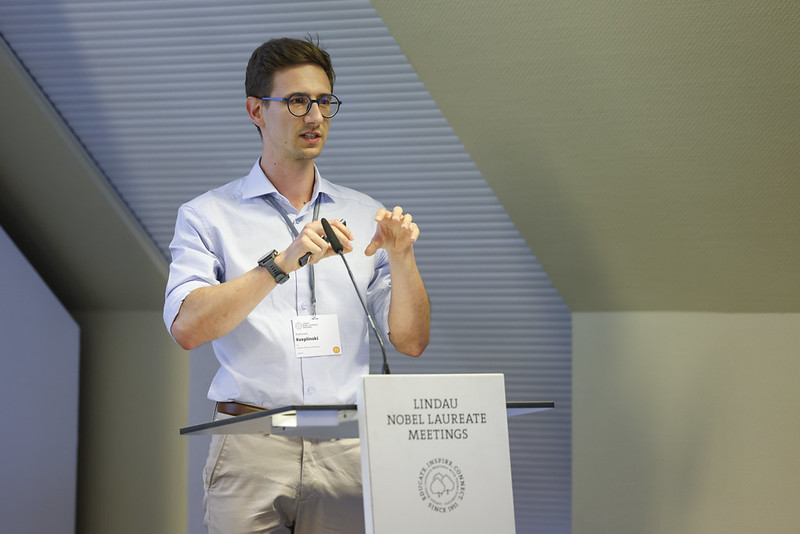
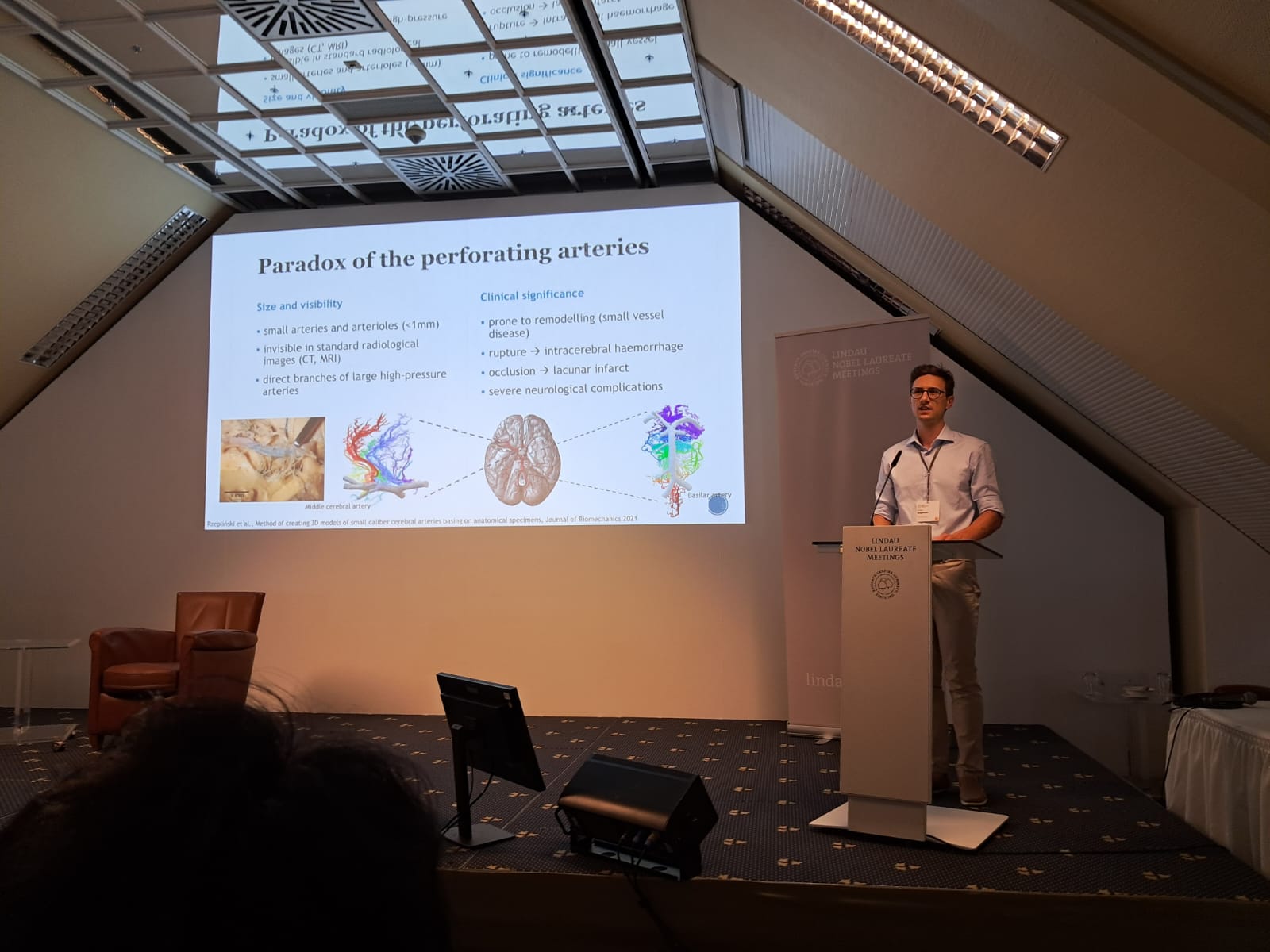
Additionally, among the 600 qualified young researchers from around the world, those who will present their own research are selected. This year, 50 such participants were selected, and Dr Radosław Rzepliński from the Department of Normal and Clinical Anatomy at WUM was among them.
What our researcher works on
“My research, conducted at the Department of Normal and Clinical Anatomy, concerns on cerebral arteries and cerebrospinal fluid flow in the context of aging and the clearance mechanisms of the human brain,” says Dr Radosław Rzepliński. “In recent years, under an OPUS grant funded by the National Science Centre (NCN), we have carried out an inter-university project together with the team of Prof. Jerzy Małachowski from the Military University of Technology dedicated to the hemodynamics of blood flow in selected regions of the cerebral circulation that are not visible using standard radiological imaging methods. We have shown that hemodynamic loads are transmitted from large arteries directly to the microcirculation of the brainstem and deep structures of the cerebral hemispheres, resulting from the unique geometry of intracranial vessels. In addition, we identified a previously unknown mechanism of brain aging - the presence of stenoses at the origins of small branches of the circle of Willis, which progress with age and, by gradually reducing blood flow, contribute to the development of dementia. We also developed a model of intracerebral hemorrhage — a brain stroke associated with an exceptionally poor prognosis — that explains the mechanism of bleeding and provides guidance for clinical management.
The second part of Dr Radosław Rzepliński’s research, concerning the pathways of cerebrospinal fluid circulation and outflow, is conducted in collaboration with Steven Proulx’s team at the University of Bern (Switzerland).
“The starting point for our research was, on the one hand, data suggesting that cerebrospinal fluid contributes to brain clearance and, on the other, numerous gaps in the neuroanatomical map,” says our scientist. “After creating the author’s experimental model, we revealed previously unknown pathways of cerebrospinal fluid outflow from the human spinal canal — along spinal nerves and through direct connections with the lymphatic and venous systems.”
As Dr Rzepliński emphasizes, participation in the Lindau Nobel Laureate Meeting is a great honour and privilege:
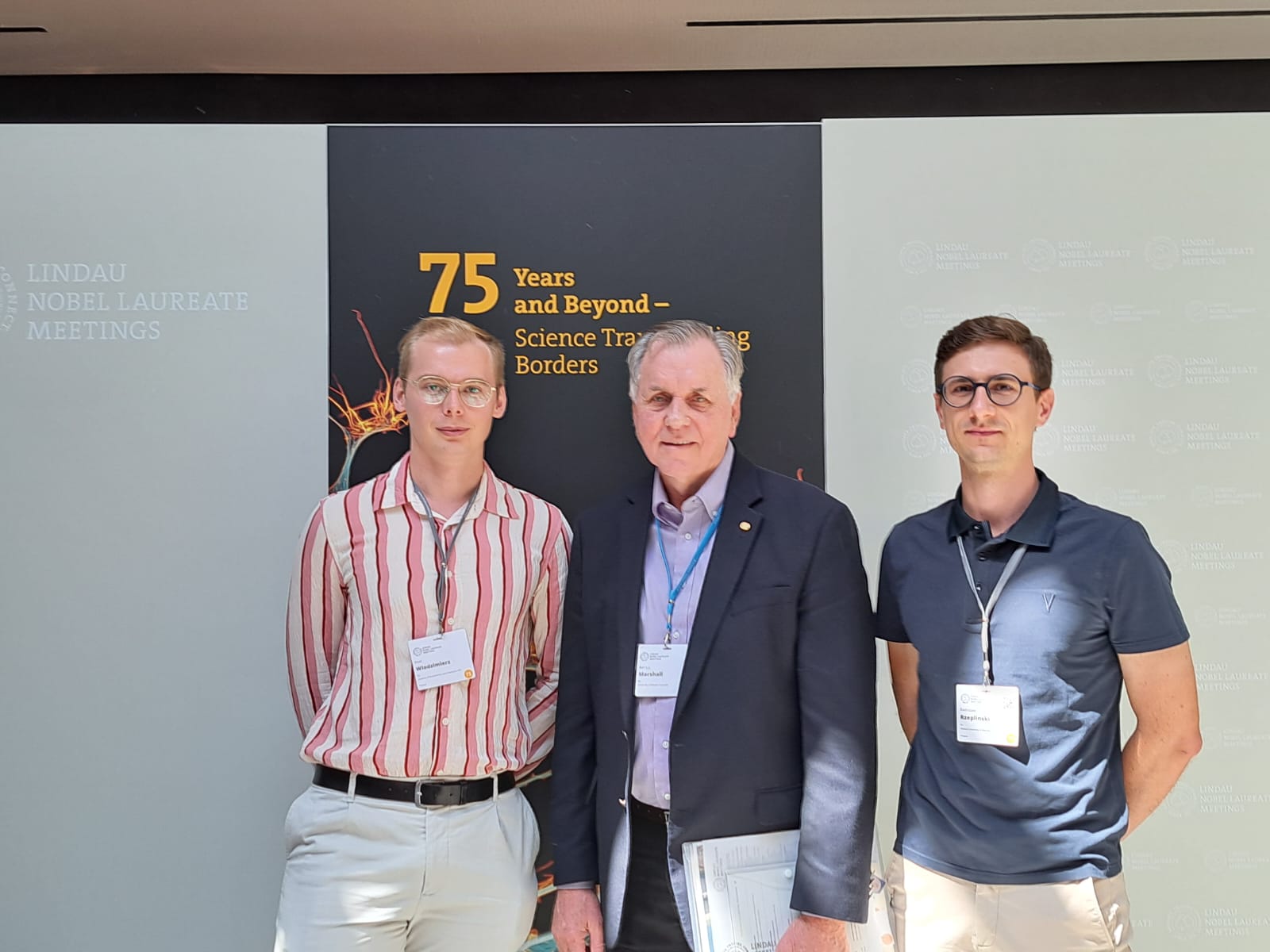
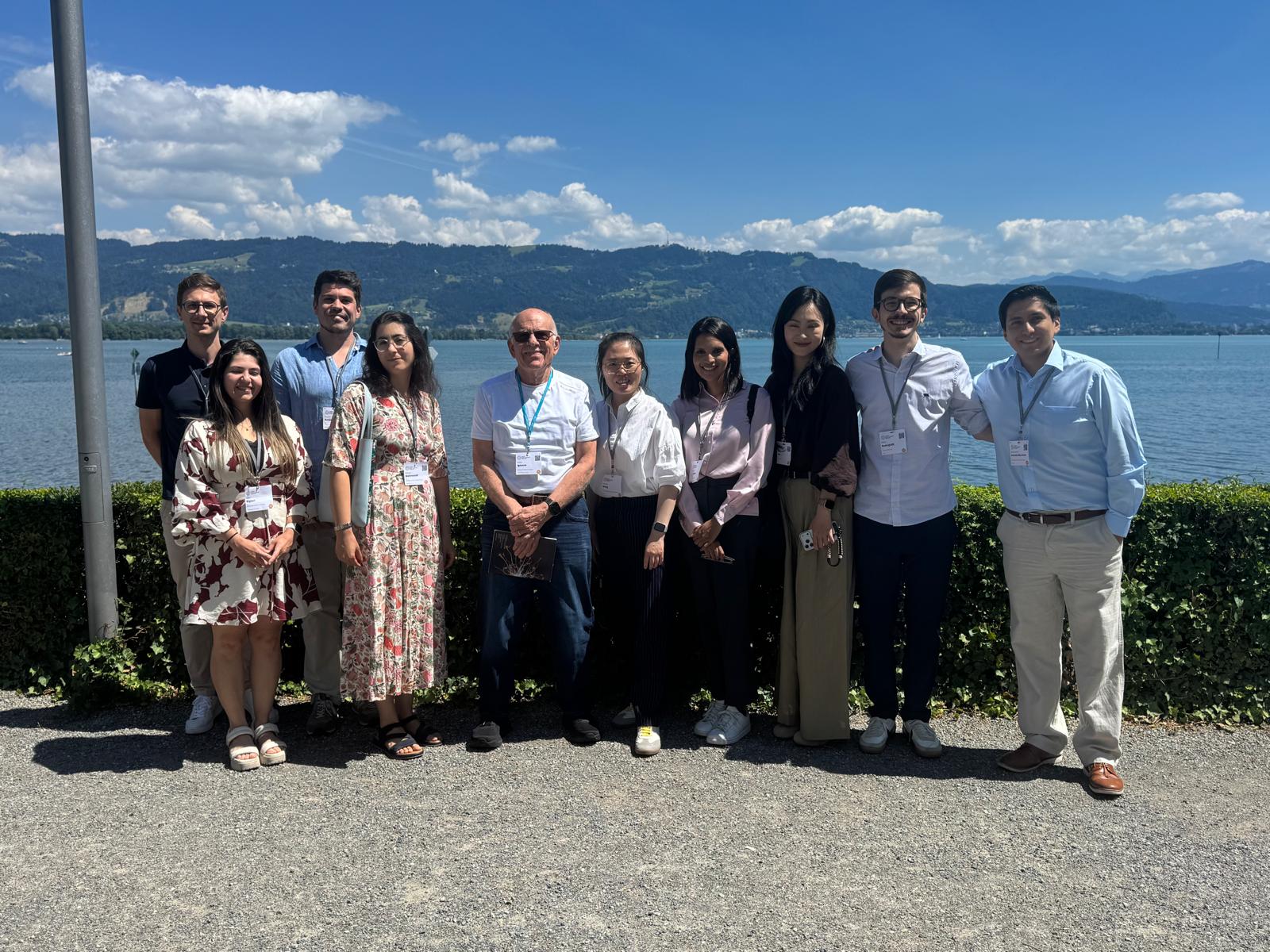
“The character of this conference is truly unique. At every turn, you can meet and talk with Nobel laureates who, until now, were known to us only from textbooks and scientific publications. Their extraordinary openness and warmth made the discussions we shared in unexpected settings — such as a boat trip or a picnic in the gardens of Mainau Castle — experiences I will remember forever. However, the ‘Lindau spirit’ is not only about the Nobel laureates, but also about the group of prominent young scientists from around the world. I was able to establish a good rapport with them right away, especially with the Polish delegation, and I am certain that the friendships formed there will last for a long time.”