Safer, shorter, and more effective
In their childhood, both patients had undergone surgery for tetralogy of Fallot, the most common congenital heart defect, albeit of unknown etiology. This condition is characterized by four anatomical anomalies: ventricular septal defect, overriding aorta, pulmonary stenosis, and right ventricular hypertrophy.
Many patients who undergo a corrective surgery for tetralogy of Fallot require another valvular intervention later in life. This second procedure most commonly involves the pulmonary valve due to its severe insufficiency (a backward flow of blood), which puts excessive strain on the right ventricle.
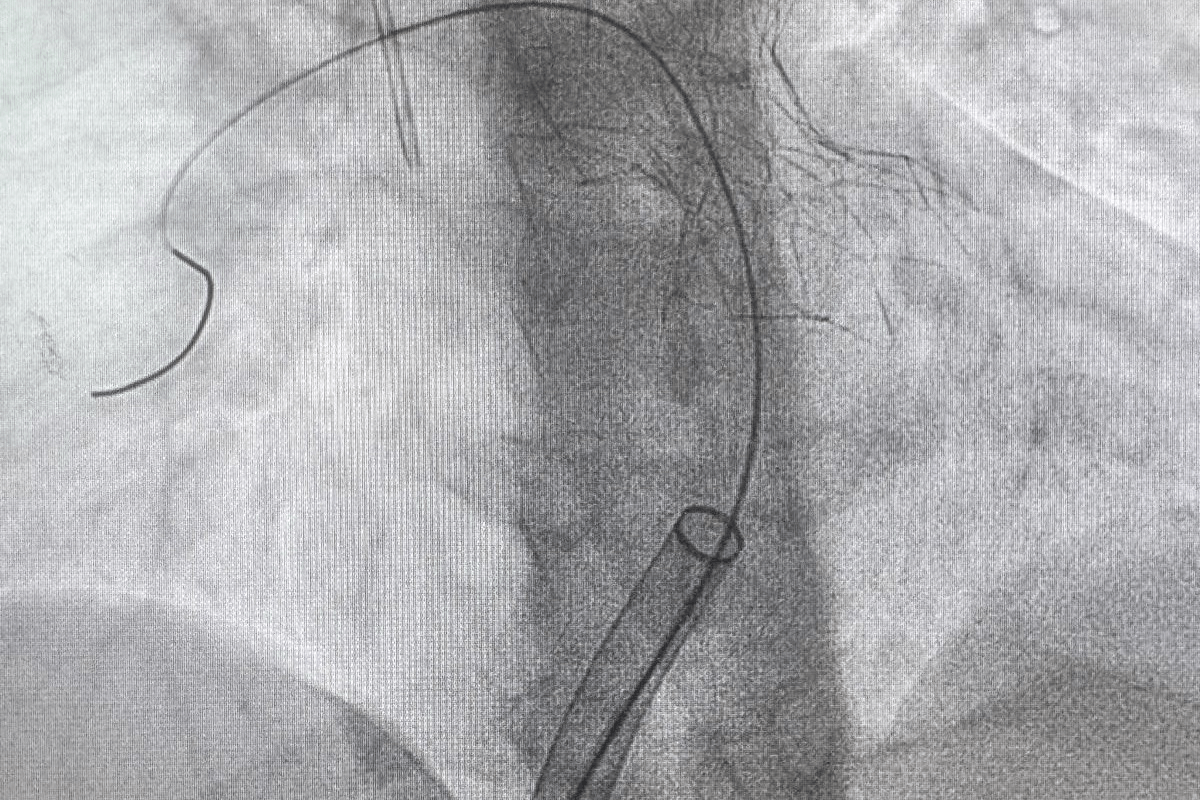
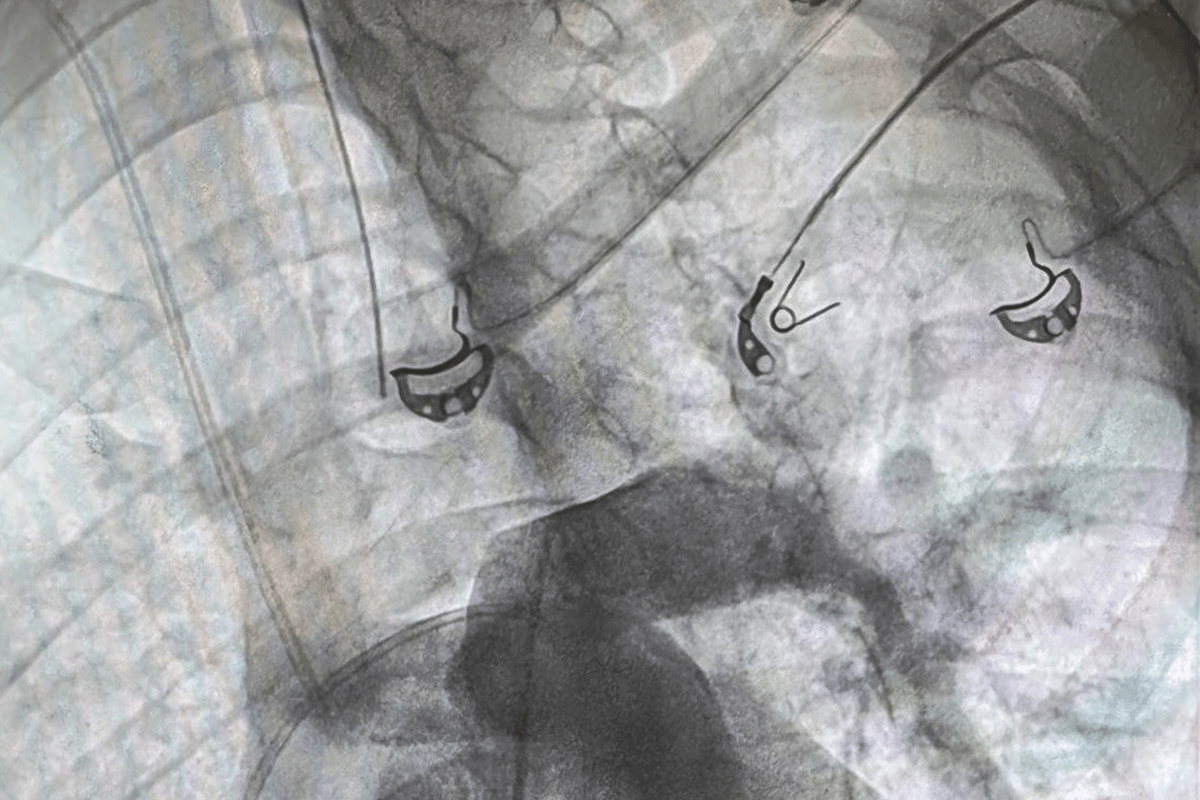
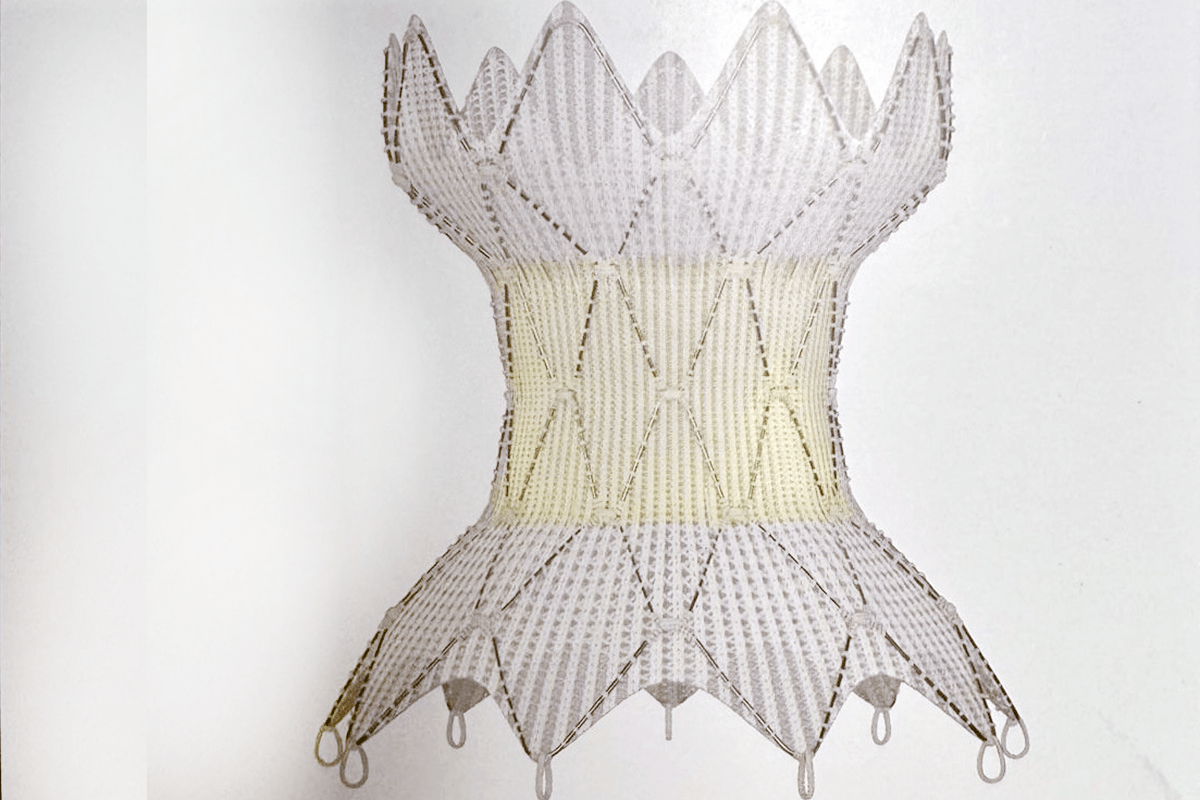
During each of these two procedures, a Harmony transcatheter pulmonary valve was implanted via a small incision in the skin. Unlike a classic open heart surgery, a transcatheter procedure shortens the duration of the patients’ hospital stay and recovery time. The procedure itself is also shorter, with experienced specialists able to perform it within one hour.
Bioprosthetic valve replacement minimizes the risk of severe complications associated with pulmonary valve insufficiency (e.g. arrhythmias or heart failure) and radically improves the quality of life, allowing physical activities, such as sports. The two patients, having been already discharged, are in good condition.
Team Performing the Procedure
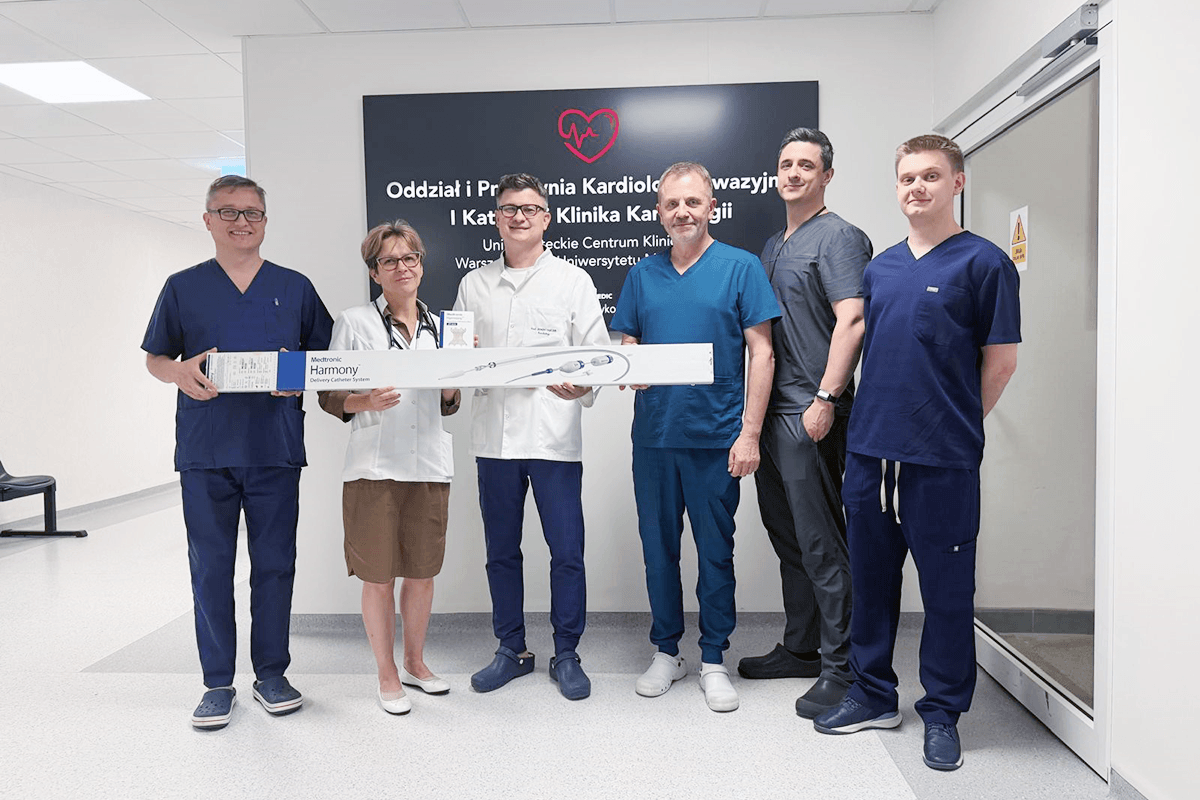
The person responsible for preoperative assessments, comprehensive patient preparation, and perioperative care was Prof. Magdalena Lipczyńska from the Department of Heart, Chest, and Transplant Surgery.
The procedures were performed by a surgical team comprising Prof. Zenon Huczek, Prof. Janusz Kochman, Bartosz Rymuza, PhD, Kajetan Grodecki, PhD, and Jacek Kuźma, PhD, with echocardiographic support by Associate Prof. Piotr Scisło.
The nursing team consisted of Katarzyna Pałyska, MA, Henryka Nowak, MA, Ewa Liszewska, MA; and the members of anesthesiology team were Tadeusz Behring, MD, PhD, and Agnieszka Kuryłowicz-Popławska, MA. Direct postoperative care at the cardiac intensive care unit was provided by Associate Prof. Robert Kowalik and Anna Fojt, MD, PhD.
Chance for Another Group of Patients
The Department of Cardiology has played a leading role in state-of-the-art interventional cardiology and electrotherapy in Poland and sets new trends in the advancing field of cardiology.
“Harmony valve implantation is another important step in modernizing the existing treatment methods,” explains Prof. Zenon Huczek. “This technology broadens the possibilities of transcatheter replacement of insufficient pulmonary valves in Polish patients with a large pulmonary trunk diameter who had undergone surgical heart defect correction.
Highly Specialized Center
“The performed procedures exemplify flawless collaboration between the Department of Cardiology, headed by Prof. Marcin Grabowski, and the Department of Heart, Chest, and Transplant Surgery, headed by Prof. Mariusz Kuśmierczyk,” adds Prof. Huczek.
Both departments belong to the University Clinical Center, WUM. This tertiary care center deals with the most difficult cases from various areas of medicine.