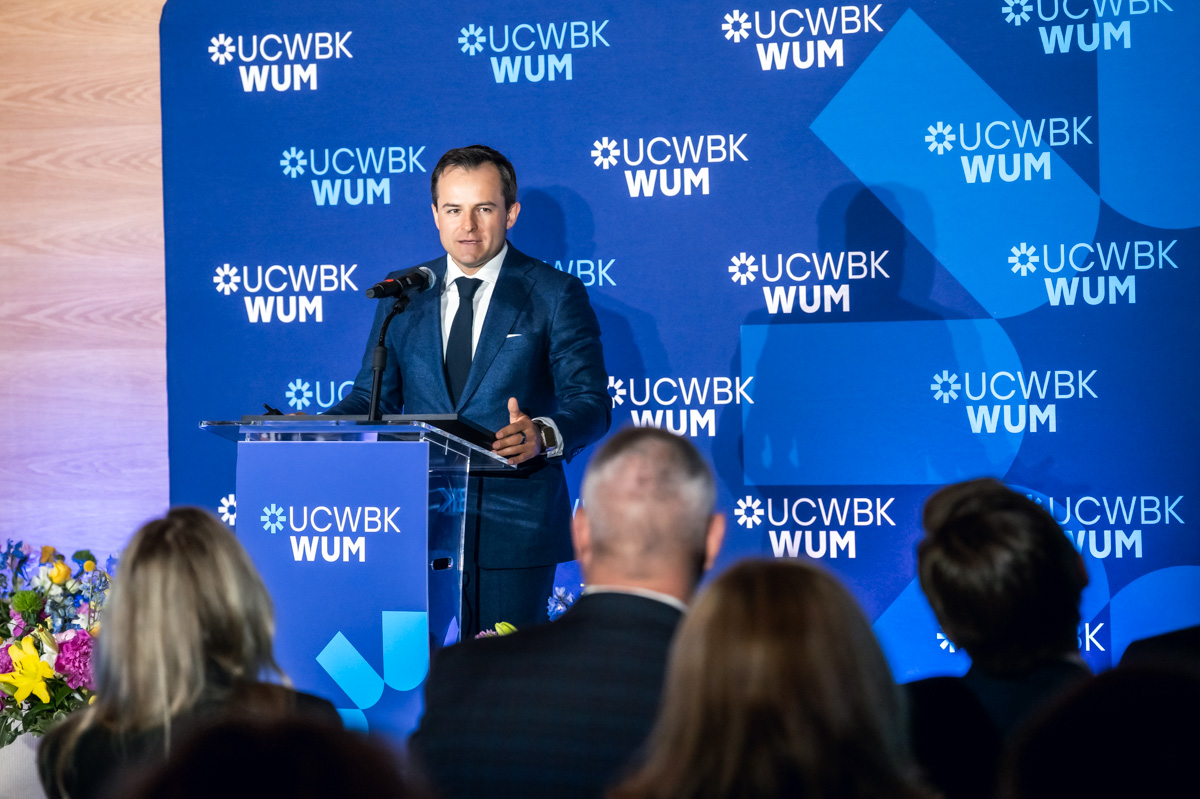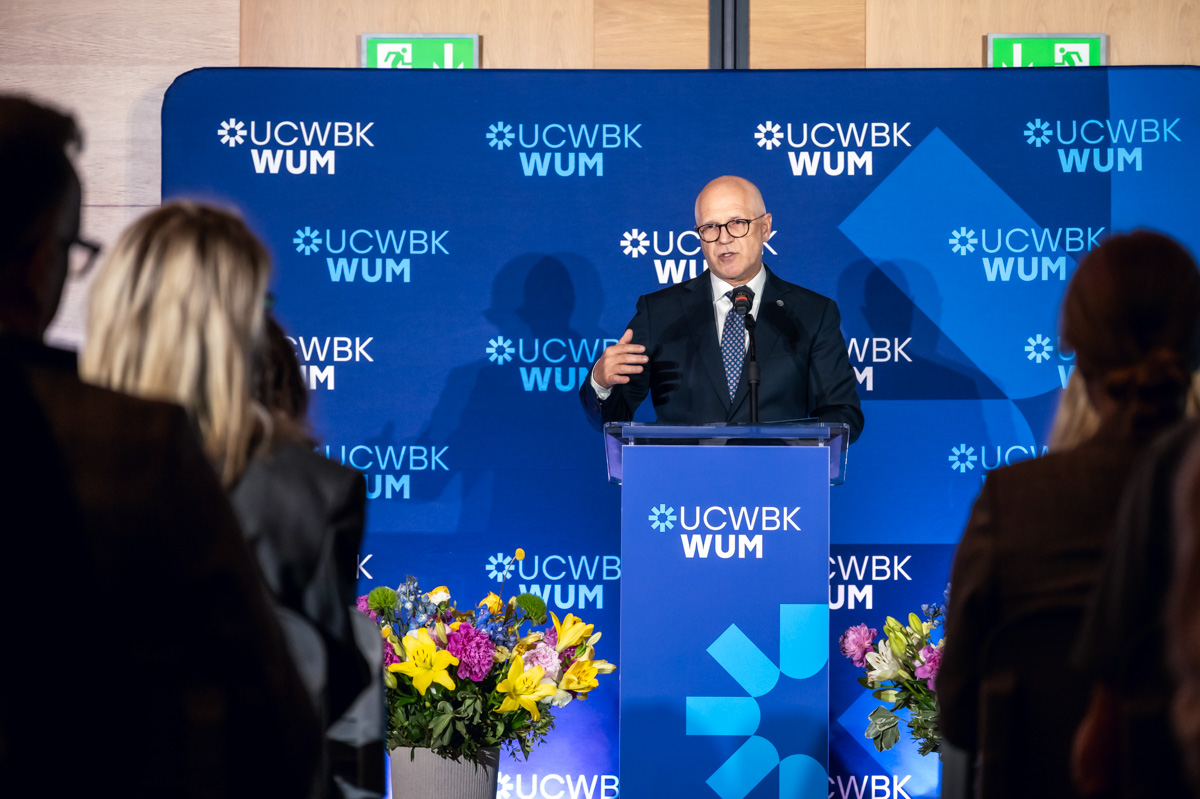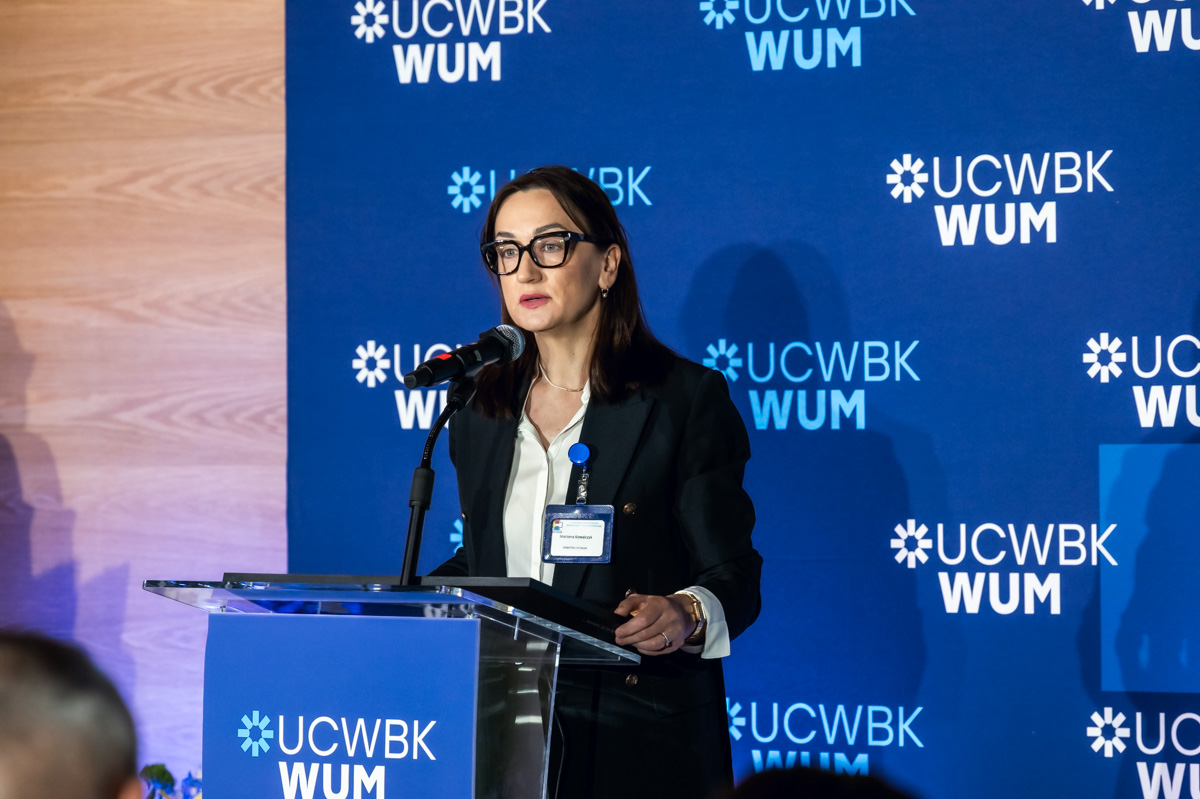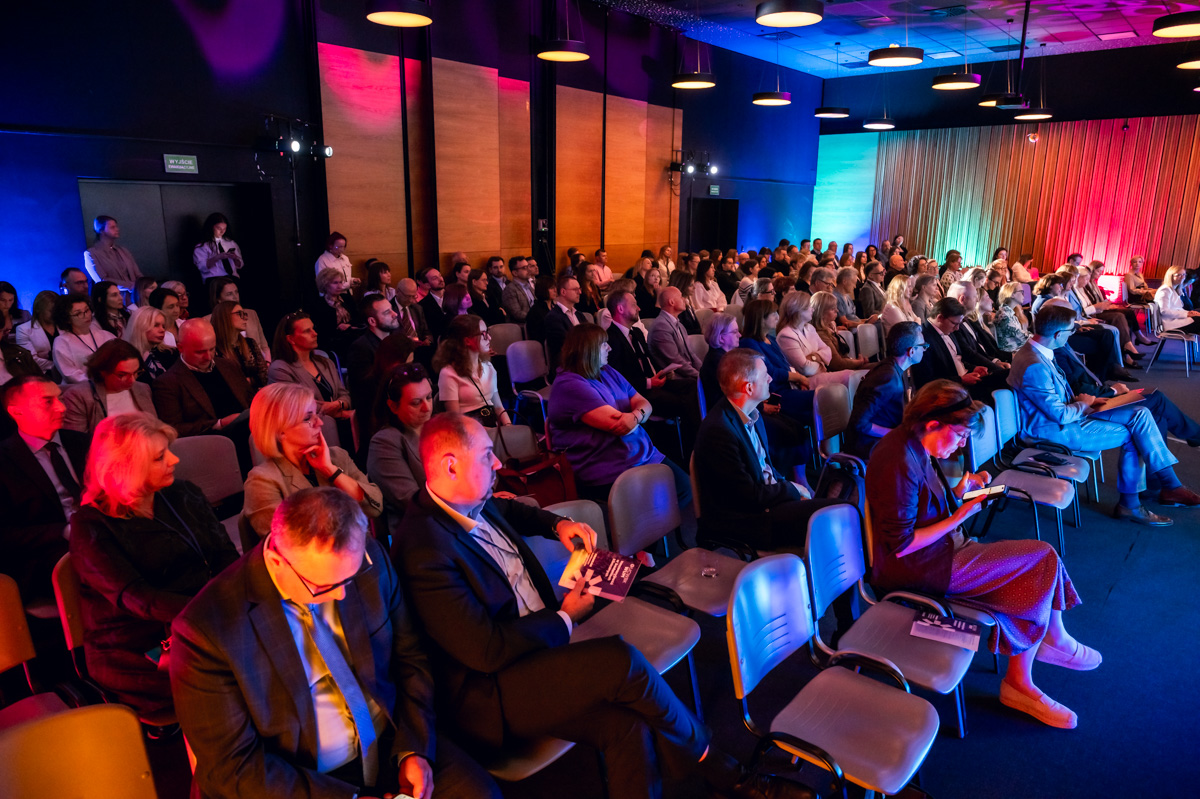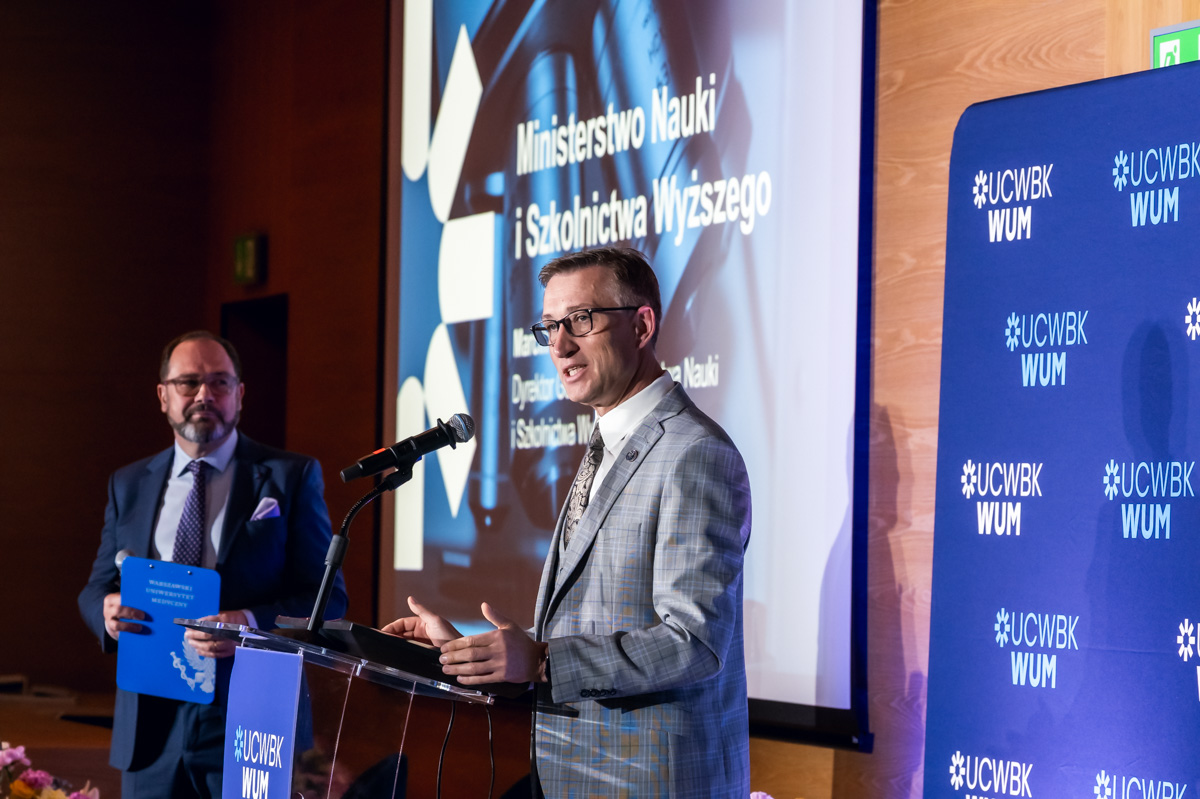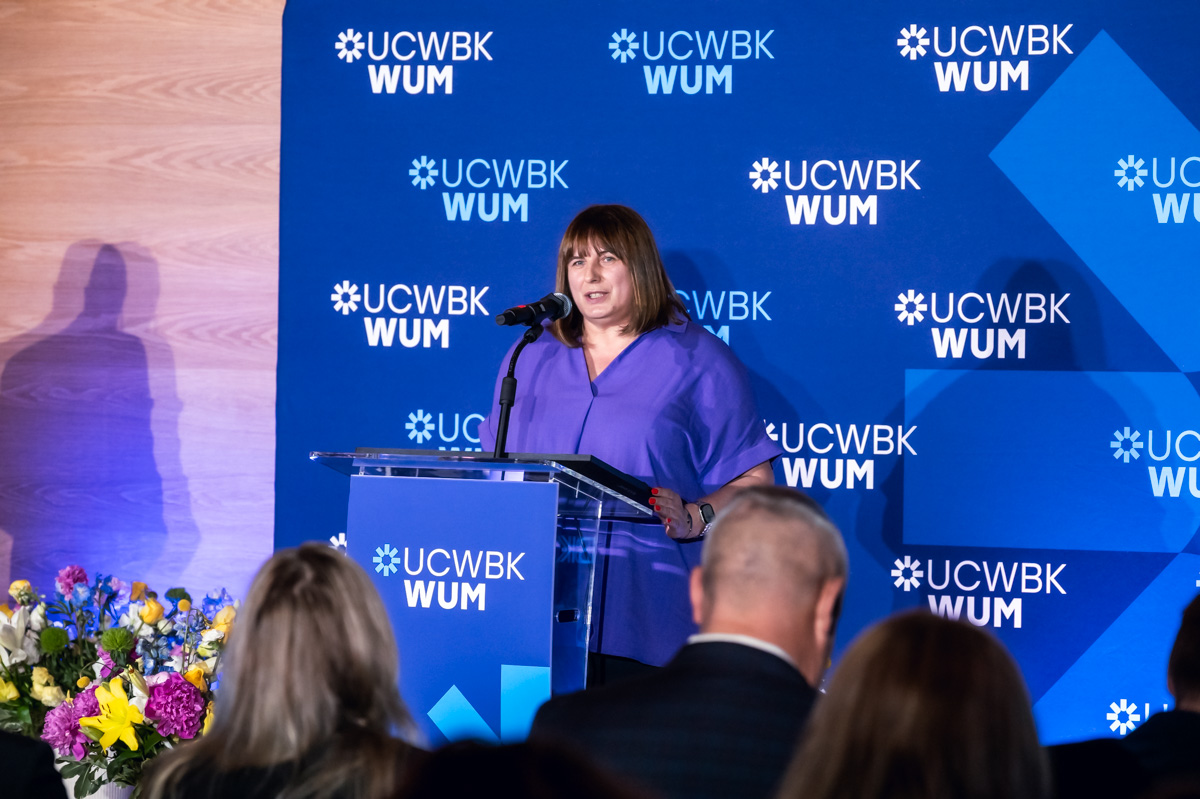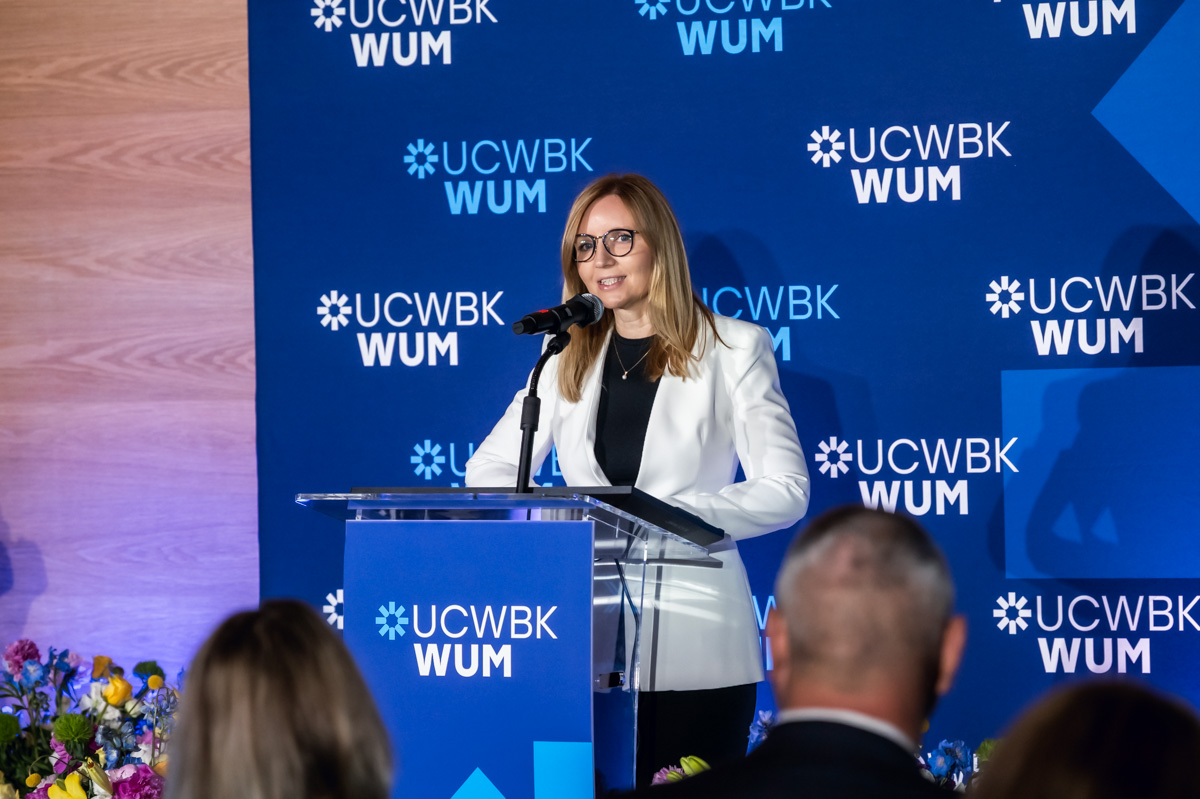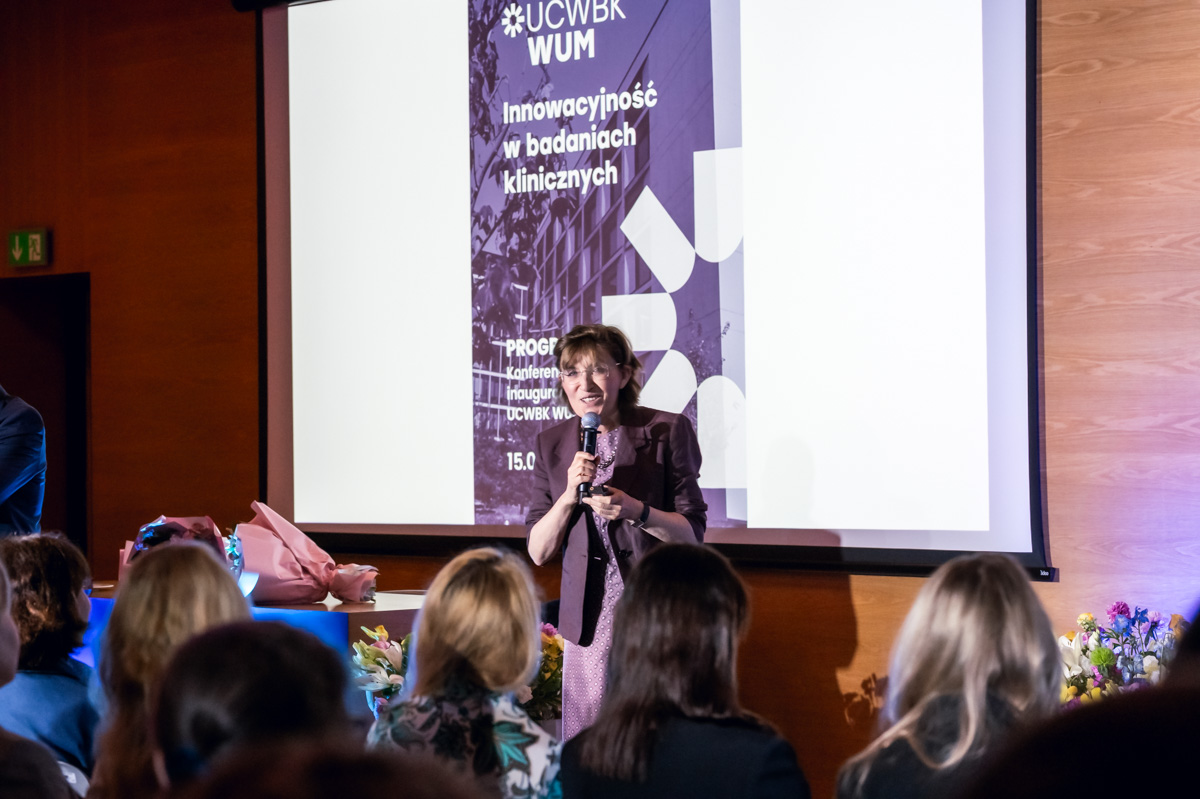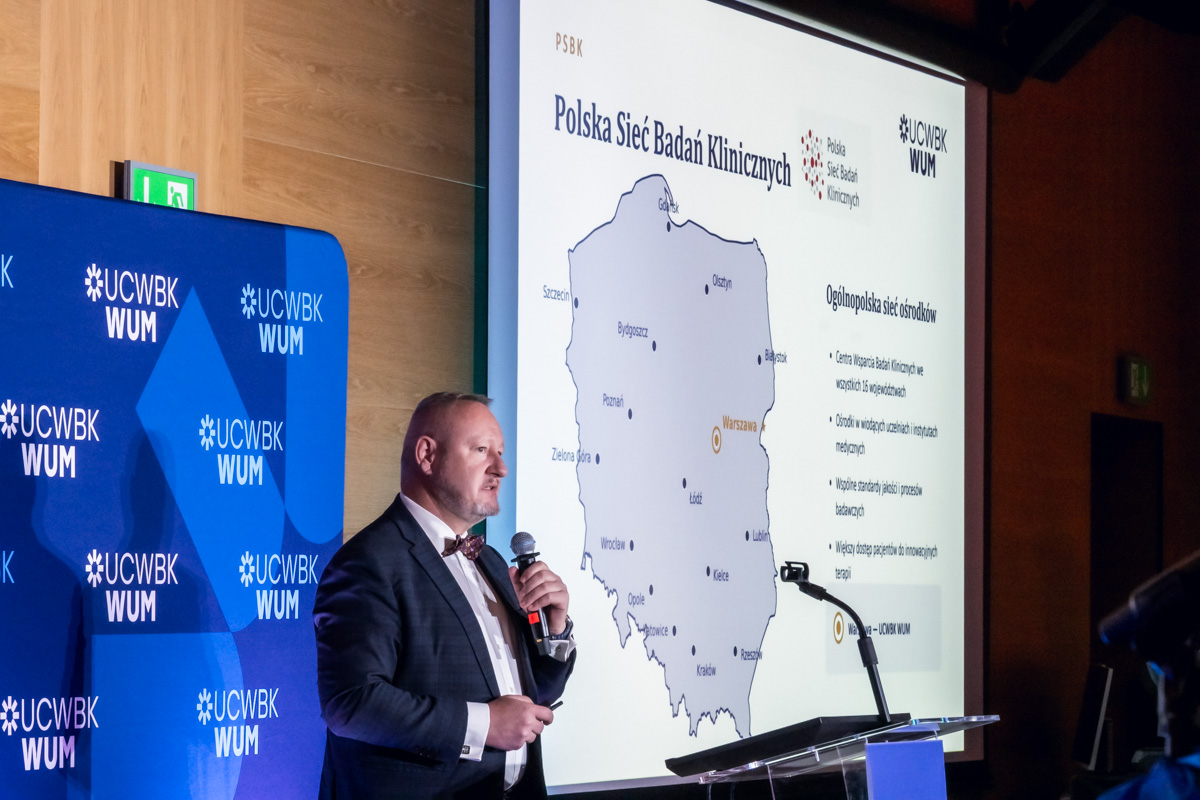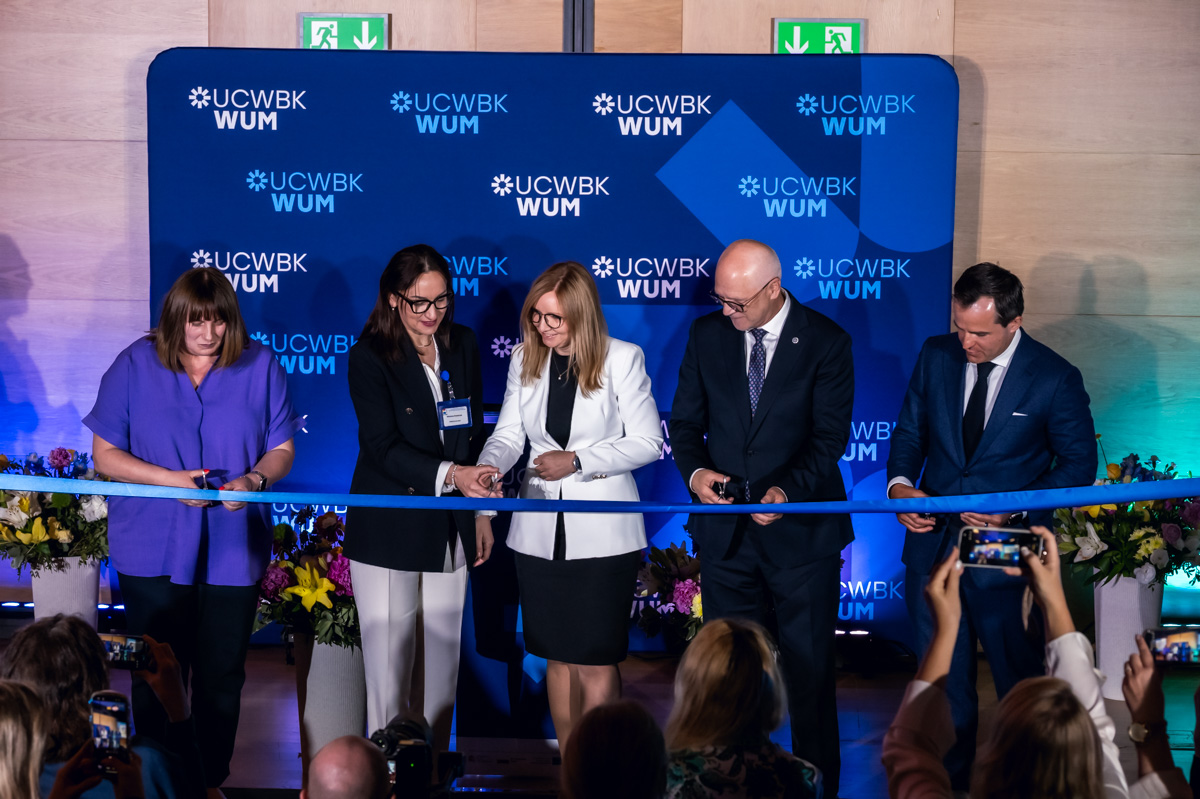
The inauguration and symbolic ribbon-cutting ceremony took place on June 15. Attendees included WUM rector authorities, the management of the University Clinical Center of WUM (UCK WUM), representatives of the dean’s offices and Senate, members of the medical and clinical research industries, WUM and UCK WUM staff, as well as journalists. The project was financed through the National Recovery Plan.
What is UCWBK?
UCWBK was established to provide comprehensive and systematic support for the implementation of clinical trials conducted at our university, hospitals, and outpatient clinics. The support covers both non-commercial and commercial research.
“Our main goal was to create one-stop contact point for individuals involved in scientific research, i.e. researchers, sponsors, institutions, and patients,” said Prof. Kołtowski. “In addition, the center is designed to ensure a complete support pathway throughout the entire process — from the initial idea, contract signing and negotiations, through project implementation, to completion and settlement. Each clinical trial will also have its own coordinator — an individual who will play a key role in ensuring the successful execution of the project.”
Prof. Kołtowski also highlighted the extensive clinical and scientific consortium infrastructure supporting the new unit. UCK WUM includes three clinical hospitals, 2,000 hospital beds, 160,000 hospitalizations annually, 450,000 outpatient visits, and 40,000 surgical procedures each year. WUM itself consists of 1,945 academic teachers, 503 senior academic researchers, 211 professors, 292 habilitated doctors, and 867 PhD holders.
Benefits for the University, Hospital, and Patients
“The establishment of UCWBK is a milestone both for our university and for the university hospital,” summarized Prof. Rafał Krenke, Rector of WUM. “We have prepared and now we are opening a structure that redefines innovation in clinical research. As the country’s leading medical university, our mission is not only to provide education at the highest level but also to push the boundaries of knowledge. At the same time, we want scientific discoveries to be translated into therapies available to patients as quickly as possible. The creation of UCWBK is a direct response to this challenge. We are building a unique ecosystem where academic excellence meets professional and modern research management.”
Marzena Kowalczyk, Director of UCK WUM, and Dorota Szubstarska, Director of Scientific and Didactic Projects at WUM, also discussed the benefits for patients. Other speakers included Marcin Iskra, Director General of the Ministry of Science and Higher Education; Dr. Elżbieta Bylina, Director of the Centre for Clinical Research Development; Piotr Sawicki, member of the Scientific and Business Council; and Ernest Szubert, President of GCP.pl. Their speeches included congratulations, acknowledgements, and recommendations on how to cope with the major challenges in conducting clinical research.
The Role of Coffee in Clinical Research and More
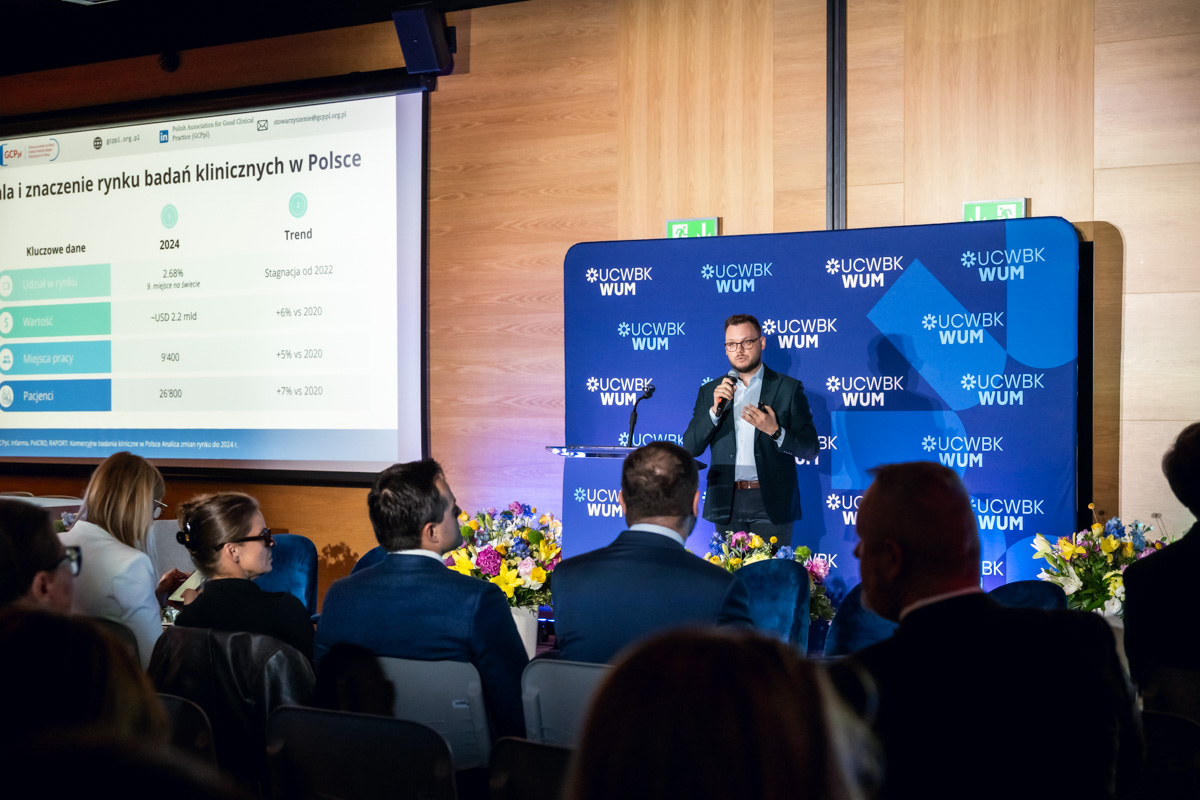
During the ceremony, participants could listen to very interesting presentations, showing the importance of clinical research in medicine. Prof. Hanna Szajewska delivered a presentation entitled “From Warsaw to NEJM: the Backstage of the PREVENTCD Research – How We Tried to Prevent Celiac Disease.” She explained that the study idea was born at a café table. Researchers wanted to determine whether early nutritional interventions and breastfeeding during gluten introduction could prevent the development of celiac disease. The study found that neither early gluten introduction in children at high risk nor breastfeeding reduced the likelihood of developing the disease.
“Our research hypothesis was not confirmed,” Prof. Szajewska said. “Was it disappointing? Yes, because we wanted to prevent celiac disease. No, because we learned that this path does not lead to the goal. In reliable clinical research, a negative result is just as important as a positive one if it answers a clinically significant question,” emphasized the speaker.
How Clinical Research Revolutionized Transplantology
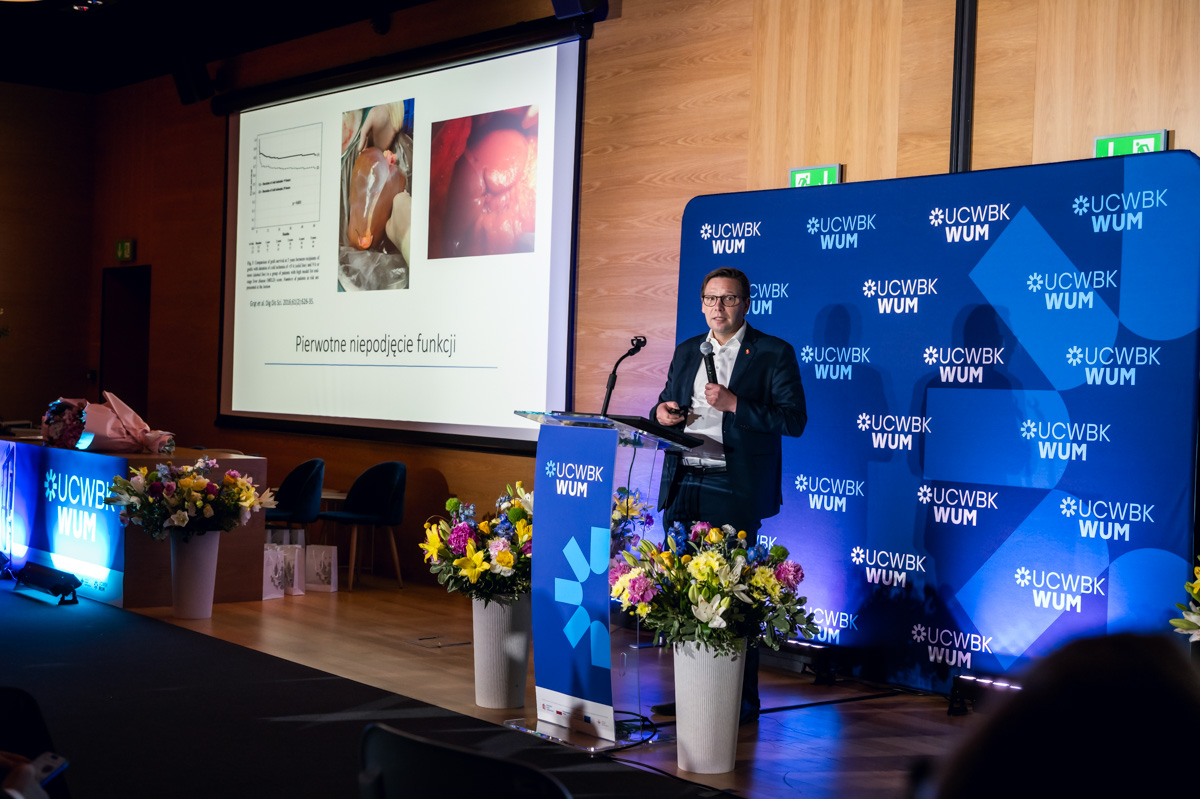
Prof. Michał Grąt discussed the impact of clinical research on liver transplantation in his presentation “Implementation of Advanced Ex Vivo Liver Perfusion Methods in Poland.”
“Whether a transplanted organ begins functioning largely depends on a phenomenon known as ischemia-reperfusion injury,” explained Prof. Grąt. “In the early days of transplantology, this damage was reduced using so-called simple hypothermia, i.e. cooling the organ to 4°C and using preservation solutions to reduce metabolism, the production of free radicals, and the degree of necrosis. However, experts questioned whether there was a better method of preparing an organ for transplantation.”
Such a method eventually emerged. It was extracorporeal perfusion with oxygenation. However, the method had not yet been supported by clinical trials. Therefore, in 2018, Professor Grąt submitted a research proposal to the National Science Centre. His aim was to assess whether advanced extracorporeal perfusion should be applied to every liver. The study was conducted and the results turned out to be negative.
The main finding of the study was that there were neither clinical nor even biochemical benefits from using this expensive organ preservation method. This was a very important result that did not justify such a broad implementation of modern techniques. However, it also turned out that in the case of high-risk organs, benefits do exist and the use of advanced techniques is recommended.
He emphasized that negative findings do not undermine research value. Moreover, as Professor Grąt emphasized:
“The knowledge and experience gained from this study have become an accelerator for the introduction of advanced techniques in transplantology, primarily normothermic perfusion, which offers excellent prospects. It is the only situation in which, after organ retrieval and before transplantation, we can assess whether the organ will function after transplantation. Thanks to the use of advanced perfusion methods, we have been able to develop advanced liver transplantation techniques such as split liver transplantation and auxiliary transplantation. We are also able to perform so-called extreme liver surgery in Poland, meaning liver resection, removal of tumors that are not resectable by conventional methods, regeneration, and re-implantation of the organ.”
When Patients’ Needs Become Research Projects
Prof. Krzysztof Ozierański discussed the groundbreaking IMPROVE-MC research project, inspired by a specific patient case.
“It involved an eighteen-year-old patient with progressive heart failure. We applied optimal pharmacotherapy, but there was no improvement,” he recalled. The patient was diagnosed with chronic heart failure of unknown cause. With such a diagnosis, implantation of a cardioverter-defibrillator was recommended. This is a device that saves lives in emergency situations, but it does not improve the quality of life. “
Physicians began to consider what could be done in such a situation, and the idea of performing a heart biopsy emerged (which in such cases is not a standard procedure).
“This study revealed an active inflammatory process in our patient,” the professor said. “Therefore, a second step was taken, also outside standard practice, namely the initiation of immunosuppressive therapy. What was the effect? The patient with chronic heart failure, previously without prospects and with a 20% left ventricular ejection fraction, reached 50% after 9 months. Today, after 5 years of follow-up, it is 60%, which is within the normal range. He is physically active, and his quality of life has significantly improved.”
On this basis, a project was developed and submitted to the ABM competition, where it received funding, with eight centers across Poland participating in its implementation.
Collaboration Between Science and Business
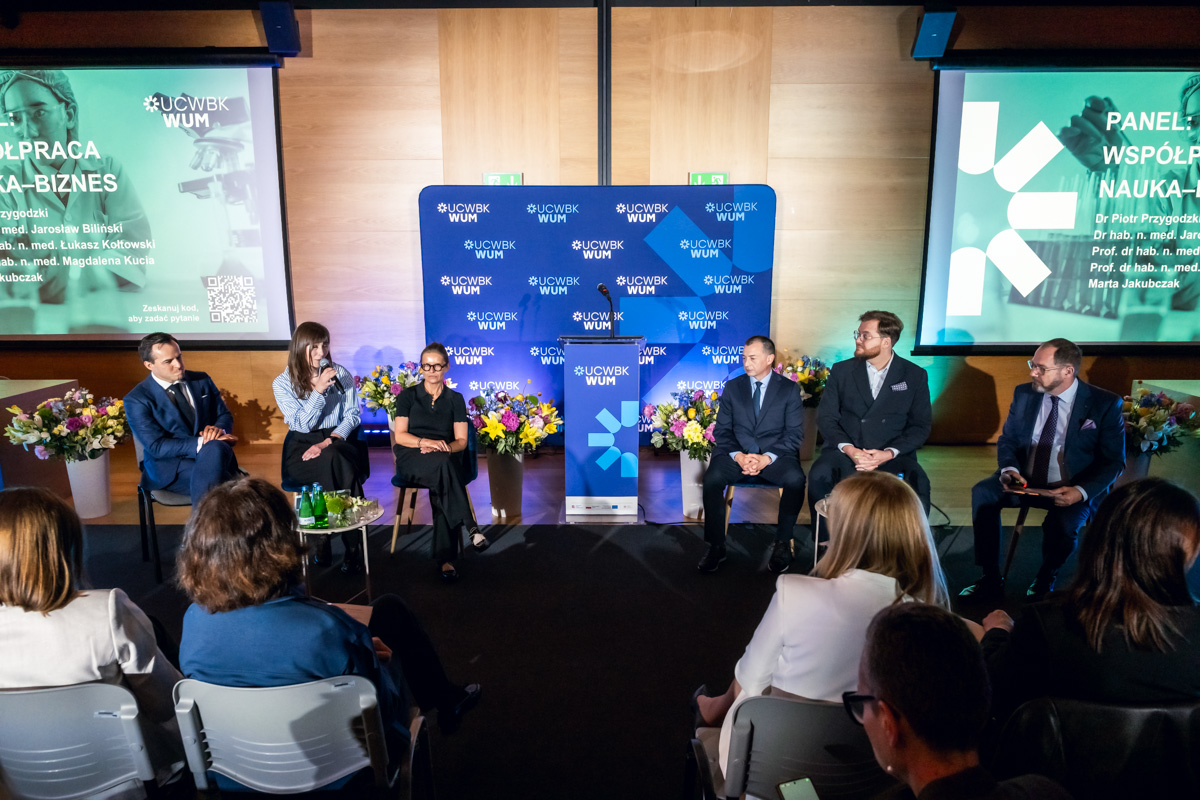
An important part of the UCWBK opening ceremony was a discussion panel dedicated to collaboration between science and business. Participants included Dr. hab. Jarosław Biliński, Department of Hematology, Transplantation and Internal Medicine, University Clinical Centre of the Medical University of Warsaw (UCK WUM); Marta Jakubczak, Clinical Operations Manager at J&J; Prof. Łukasz Kołtowski, Director of UC WBK; Prof. Magdalena Kucia, Head of the Department of Regenerative Medicine, WUM; and Dr Piotr Przygodzki, Head of Health Economics & Market Access, Abbott Medical. The experts discussed mutual expectations and needs related to clinical research. The discussion was moderated by Jarosław Kulczycki, spokesperson for WUM.