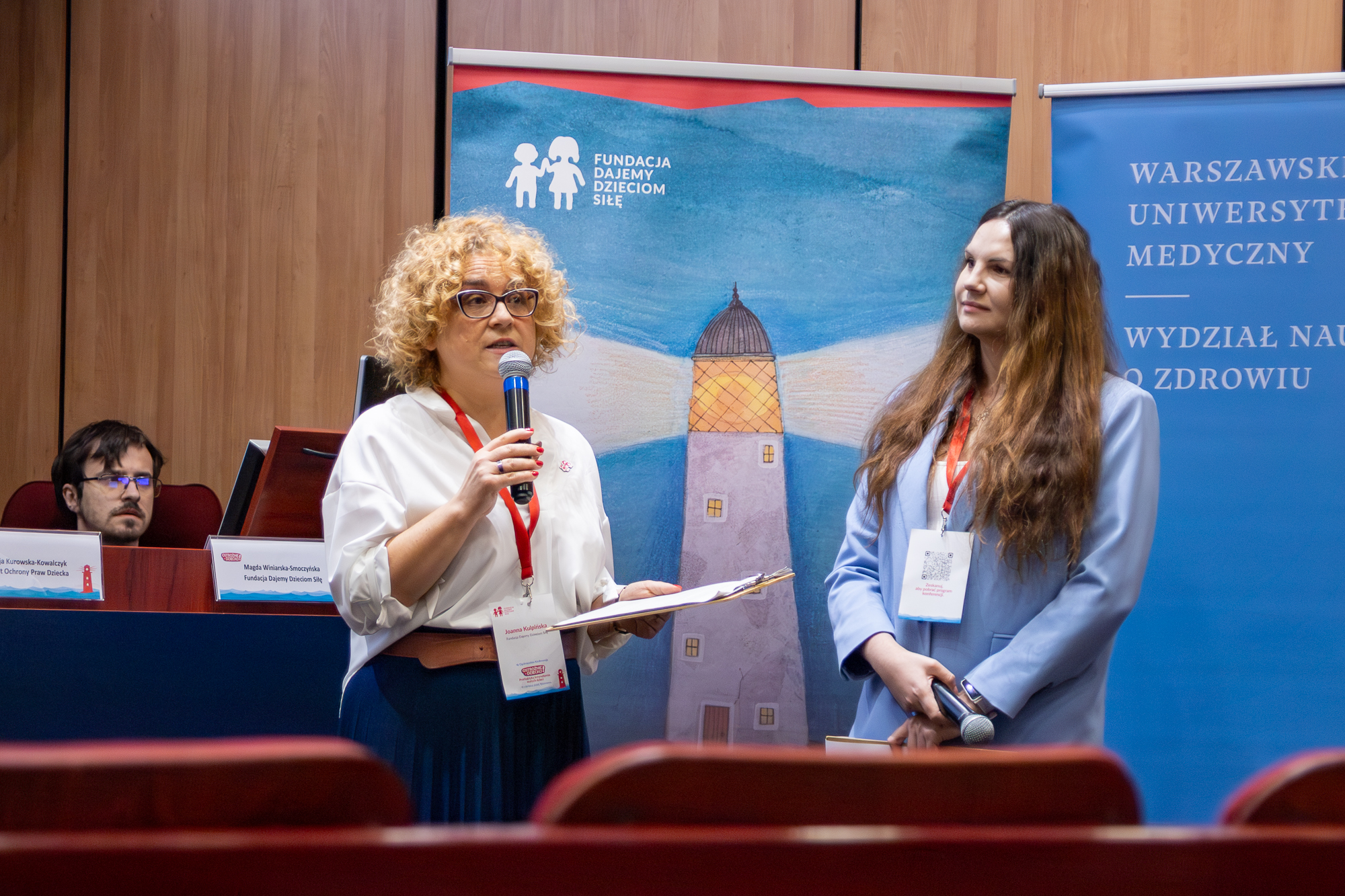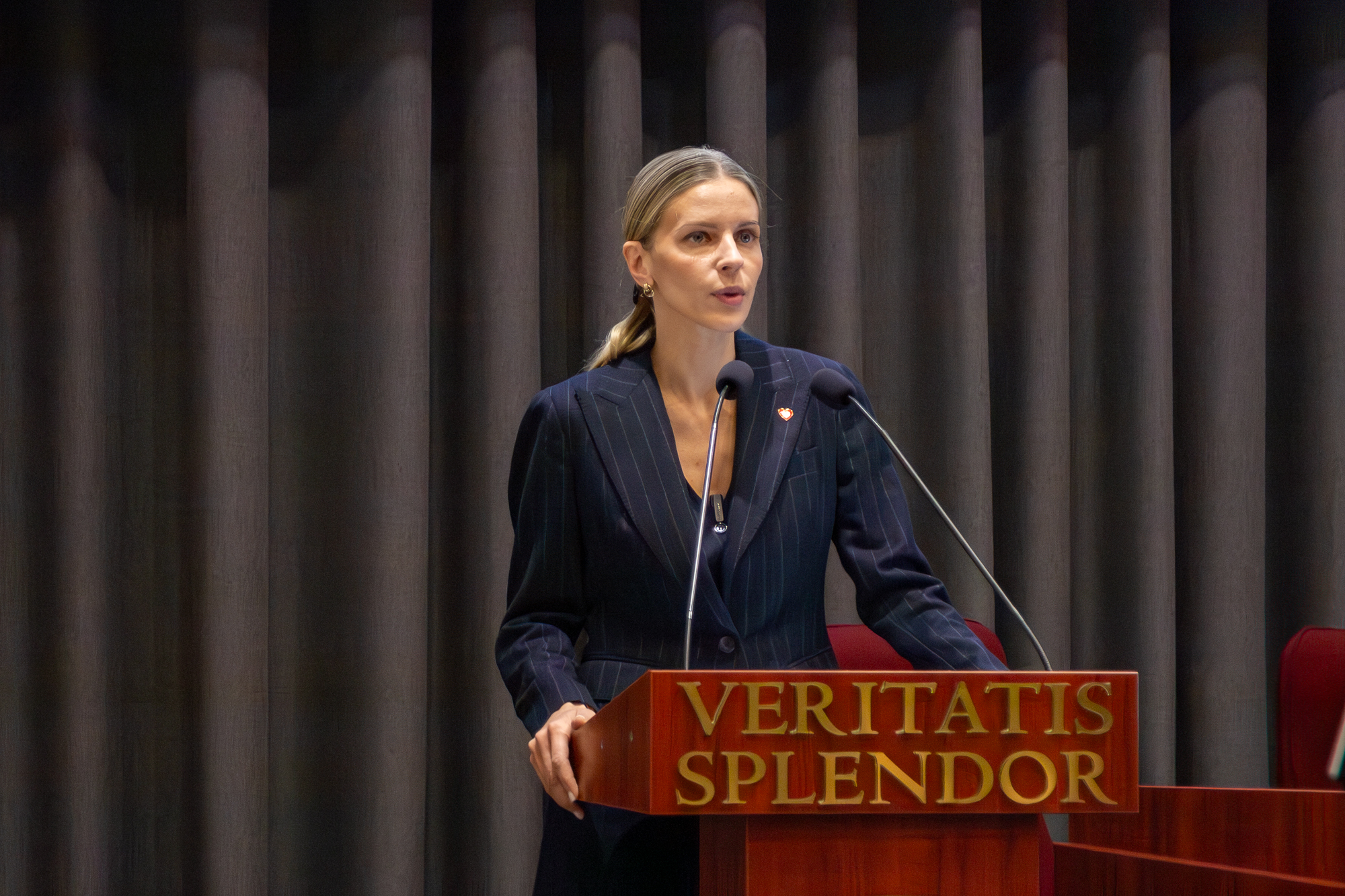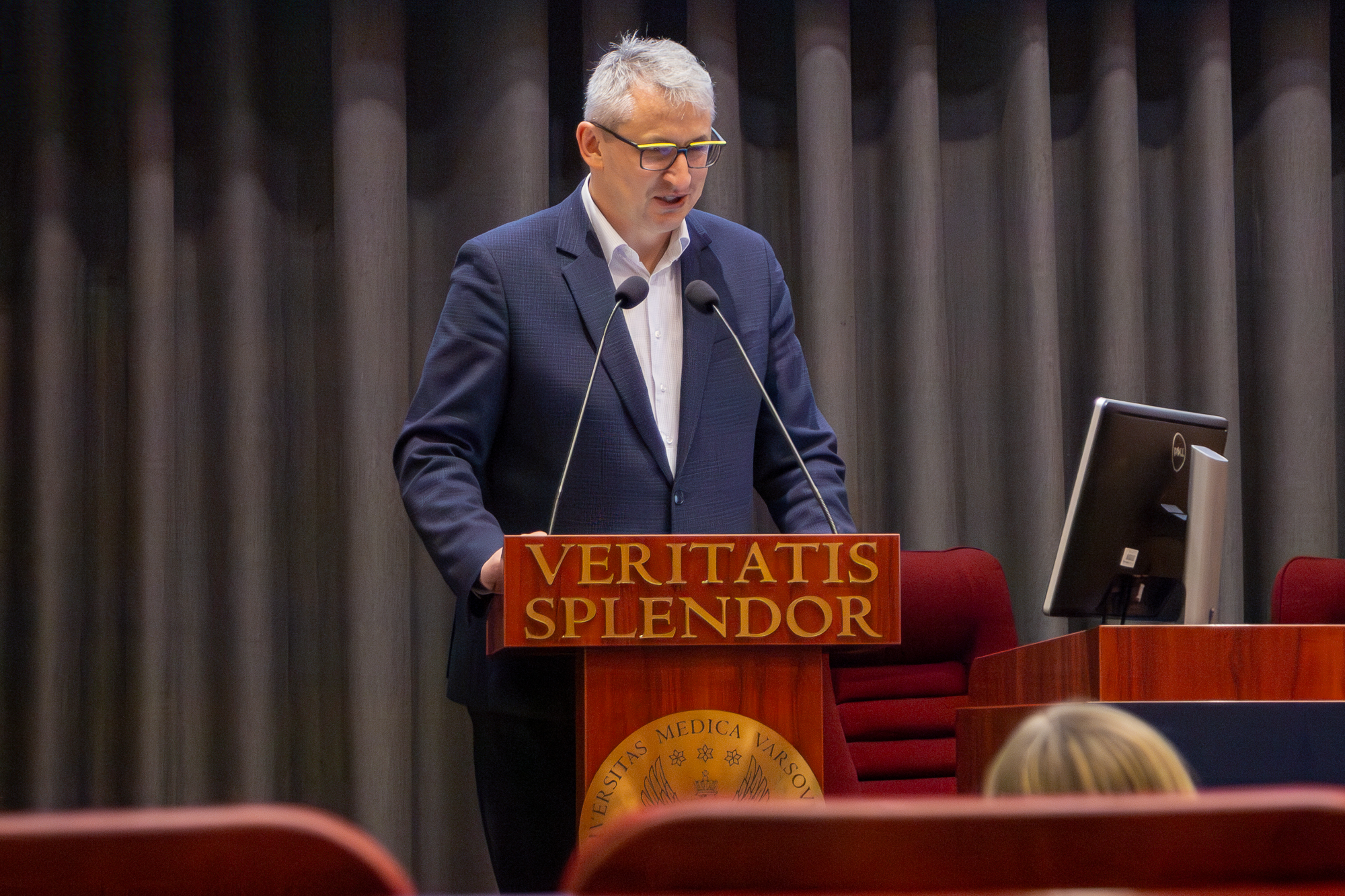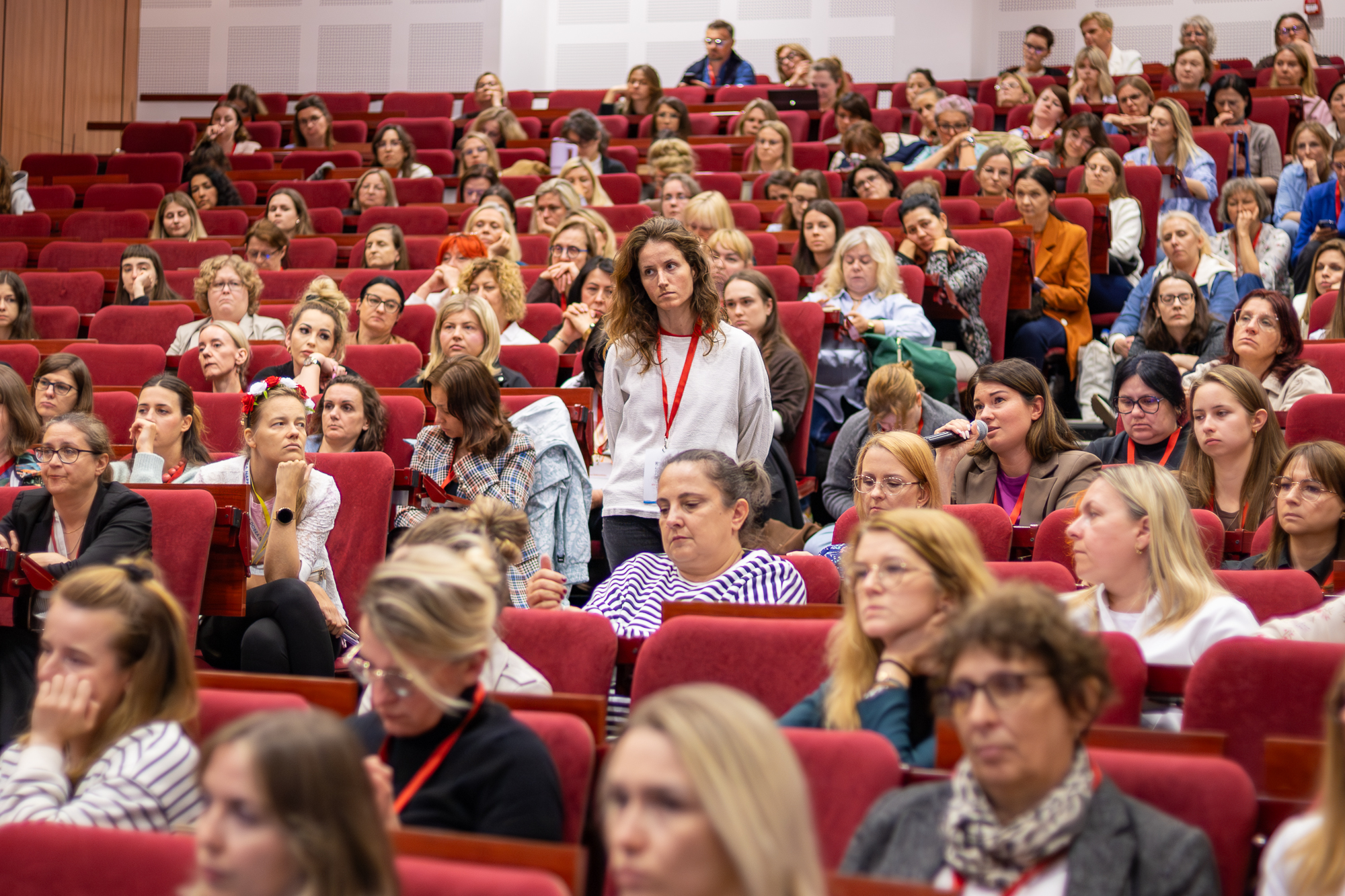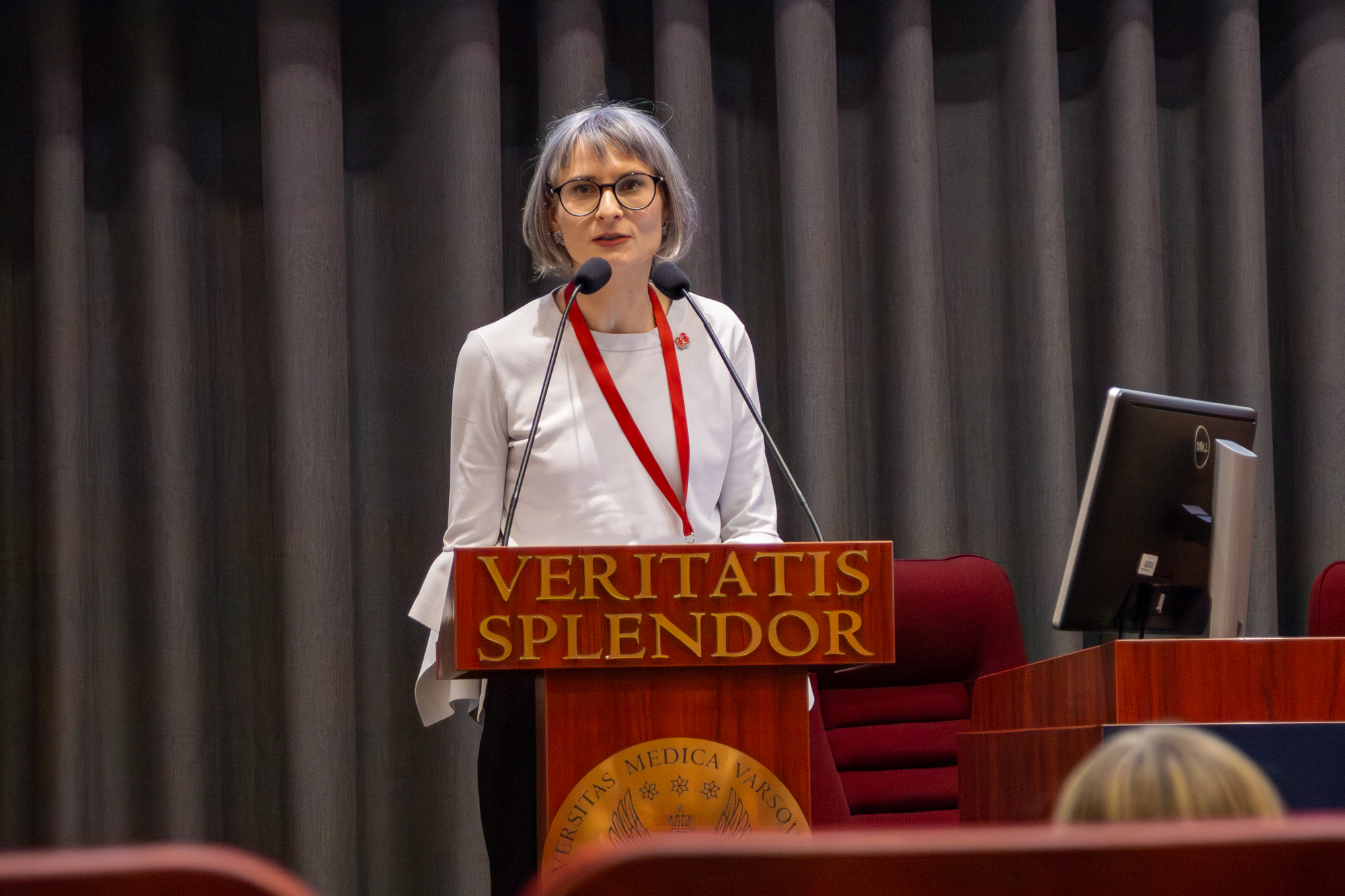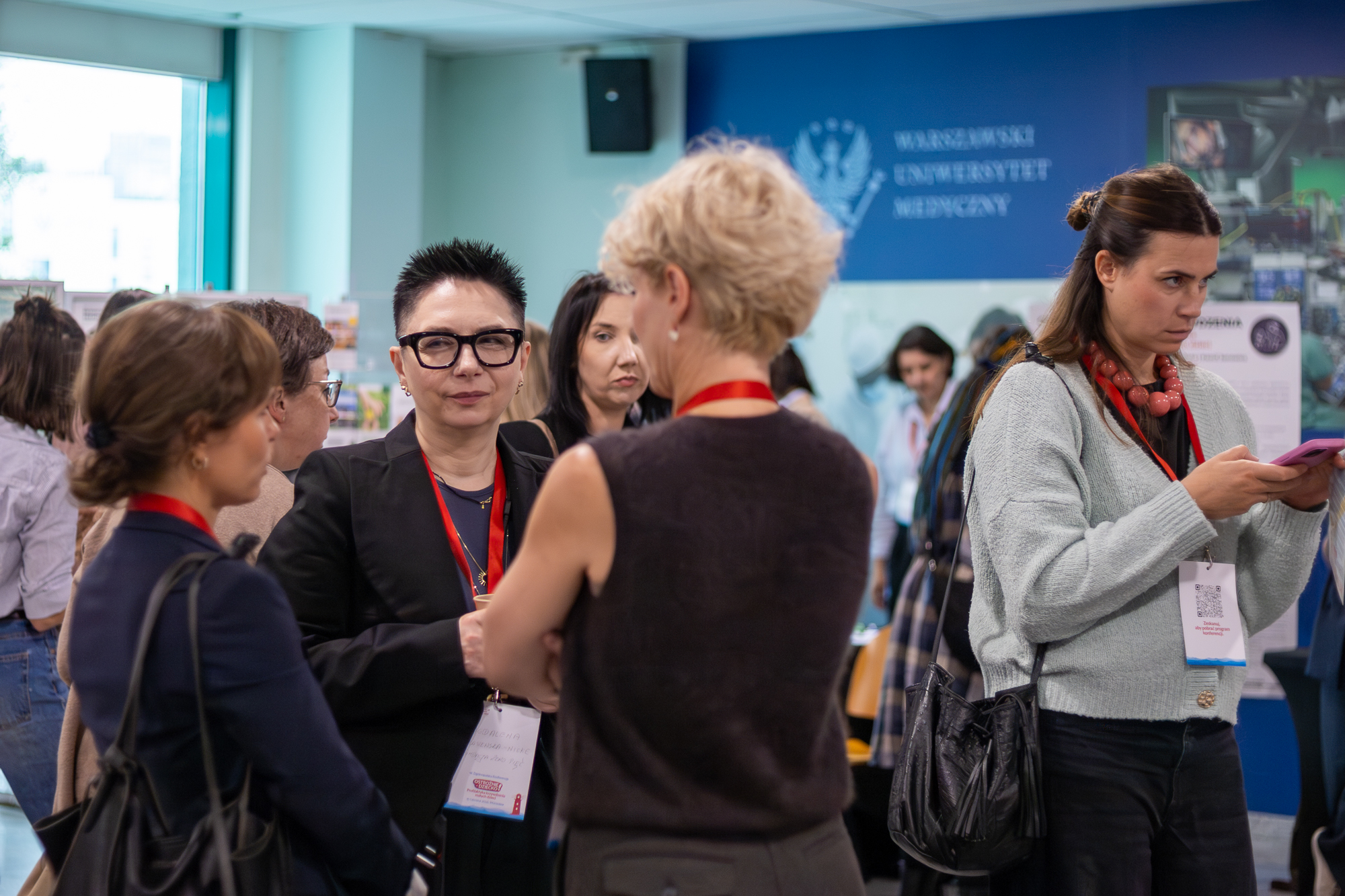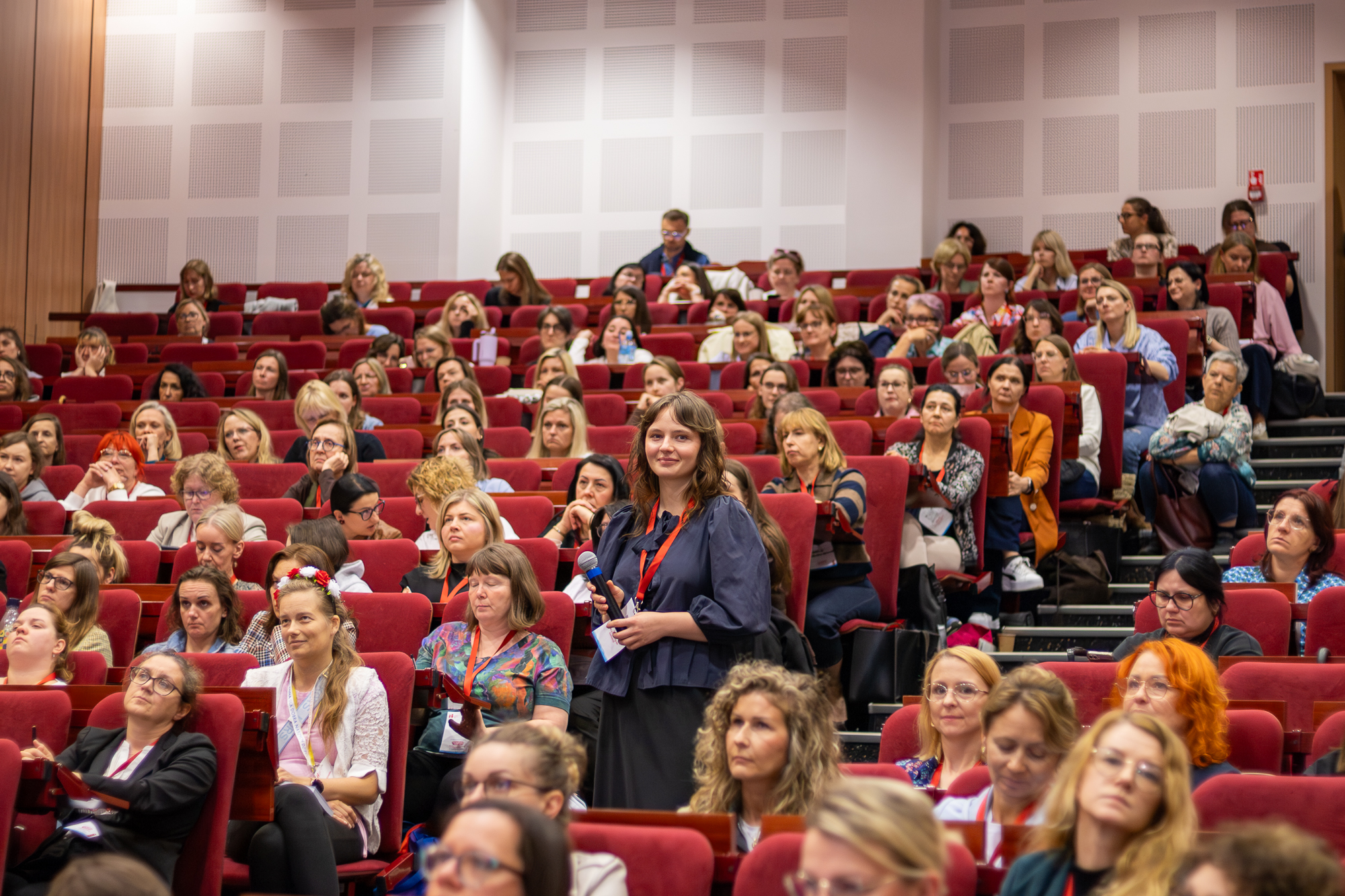
The conference took place on June 15. It served as a space for exchanging knowledge and experience among psychologists, educators, physicians, and representatives of non-governmental organizations involved in protecting children’s rights. It was organized by the “Dajemy Dzieciom Siłę” Foundation and the Faculty of Health Sciences of WUM. The importance of the event was highlighted by the presence of Aleksandra Gajewska, Undersecretary of State at the Ministry of Family, Labour and Social Policy. The conference was opened by Dr. hab. Patryk Rzońca, Vice-Dean and Head of the Faculty of Health Sciences at WUM.
“The topic of the conference, namely the prevention of harm to young children, requires cooperation among many experts and organizations,” said the Vice-Dean. “Therefore, sharing knowledge, experience, and good practices in this area can not only increase public awareness but also will enable us to deal more effectively with challenges that the modern world poses in the context of the youngest children.”
The child in the center of adult conflict
The first discussion panel was dedicated to one of the most challenging situations in a child’s life – parental separation. Experts from the Committee for the Protection of Children’s Rights showed what a separation-related conflict can look like from three perspectives: the woman, the man, and their several-year-old child. These were three completely different perspectives. The speakers emphasized that it is not the separation itself that is traumatic for the child, but the prolonged conflict. Therefore, in such situations, it is the parents who have the most to do and work through, so that the strong emotions they are experiencing do not overshadow the child’s needs.
Early identification of risks
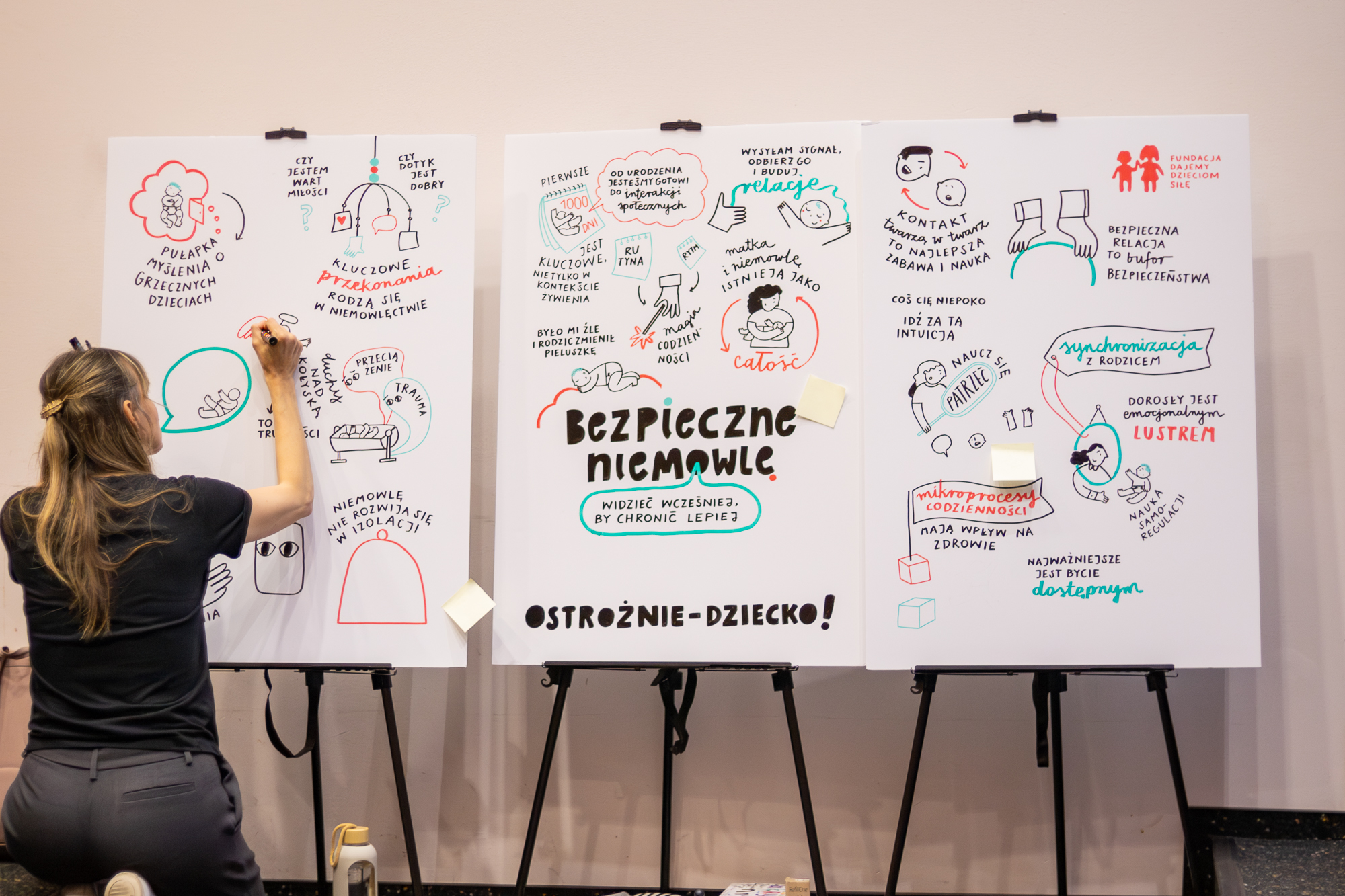
The next session focused on mental health in the first year of a child’s life. Can we even talk about mental health in infants? Definitely yes. During this period, adults’ sensitivity to subtle signals is particularly important, such as changes in crying, sleep patterns, or responses to contact. Dr. Anna Brandt-Salmeri from the University of Silesia emphasized that the absence of protest (i.e., a quiet, “well-behaved” child) does not always mean the absence of suffering, and that infancy is a very important period for building later relationships and patterns that become our template.
“I would not want to speak in a deterministic way, saying that ‘what happens in infancy determines the rest of life and nothing can be done about it.’ We know from research that this is not the case,” said Dr. Brandt-Salmeri. “However, we also know that this is a time when certain fundamental loops are formed, responsible for processing stress and emotional responses to threat. It is also when key beliefs are shaped within us. These concern what relationships are, whether closeness is good, whether other people can be relied on, whether one can cope, and whether I am worthy of love.”
The expert also spoke about what supports an infant and protects them from potential risks, explaining the concept of so-called marked mirroring.
“Let us imagine a child who sends a signal that they need their caregiver. What does the caregiver do? First and foremost, they are attentive—they notice the change and say: ‘I see your state.’ This is what is called marked mirroring, meaning: ‘I notice your state, I reflect what is happening to you, I name it.’ This act of naming is perceived by the child through tone of voice and facial expressions. So from the infant’s perspective, we are dealing with the following cycle: I feel tension, I feel bad—the caregiver comes and takes care of me—I feel better. Such repeating cycles teach the child self-regulation.”
Diverse perspectives in thematic sessions
The conference program also included issues that are difficult and often overlooked in public debate, such as problematic sexual behaviors of children toward other children. The afternoon part of the event had a more workshop-based character and was divided into parallel thematic sessions. Participants could choose from several tracks, including the impact of parents’ sleep disorders on the risk of child maltreatment, the role of adult presence and attentiveness in regulating a child’s emotions, the preparation of both parents for the birth of a child, and the consequences of using new technologies for building attachment bonds.
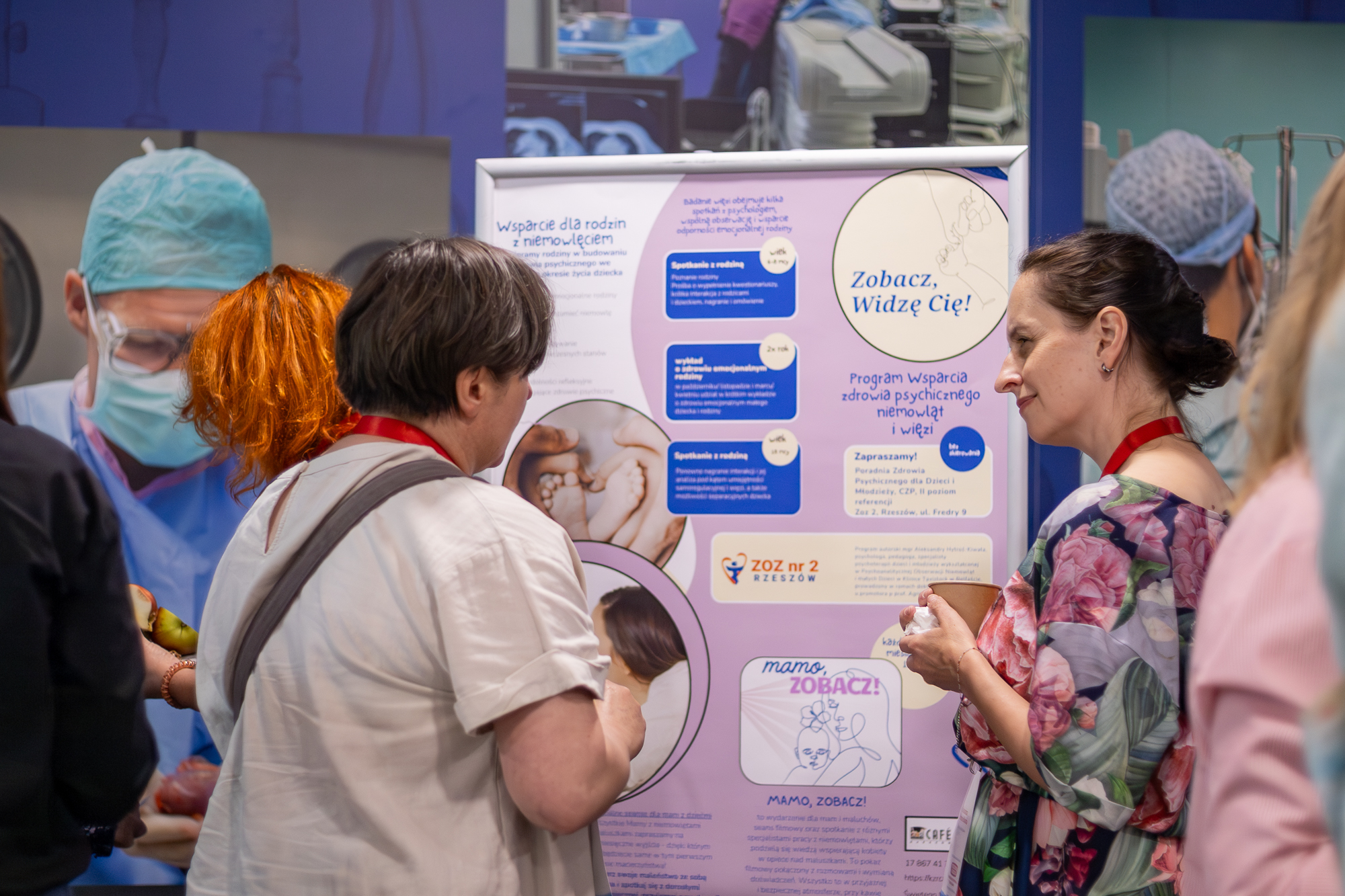
Particular attention was given to the parent–child relationship and the factors that may weaken it in today’s world. An important part of the conference was also a poster session presenting the activities of institutions and organizations supporting families with young children. Participants had the opportunity to learn about good practices and new projects implemented across Poland.
The “Careful – Child!” conference once again demonstrated how important interdisciplinary cooperation is in protecting the youngest children. The common denominator of all presentations was the belief that effective prevention begins with adult attentiveness, willingness to respond, and the creation of a safe environment for the child from the very first moments of life.