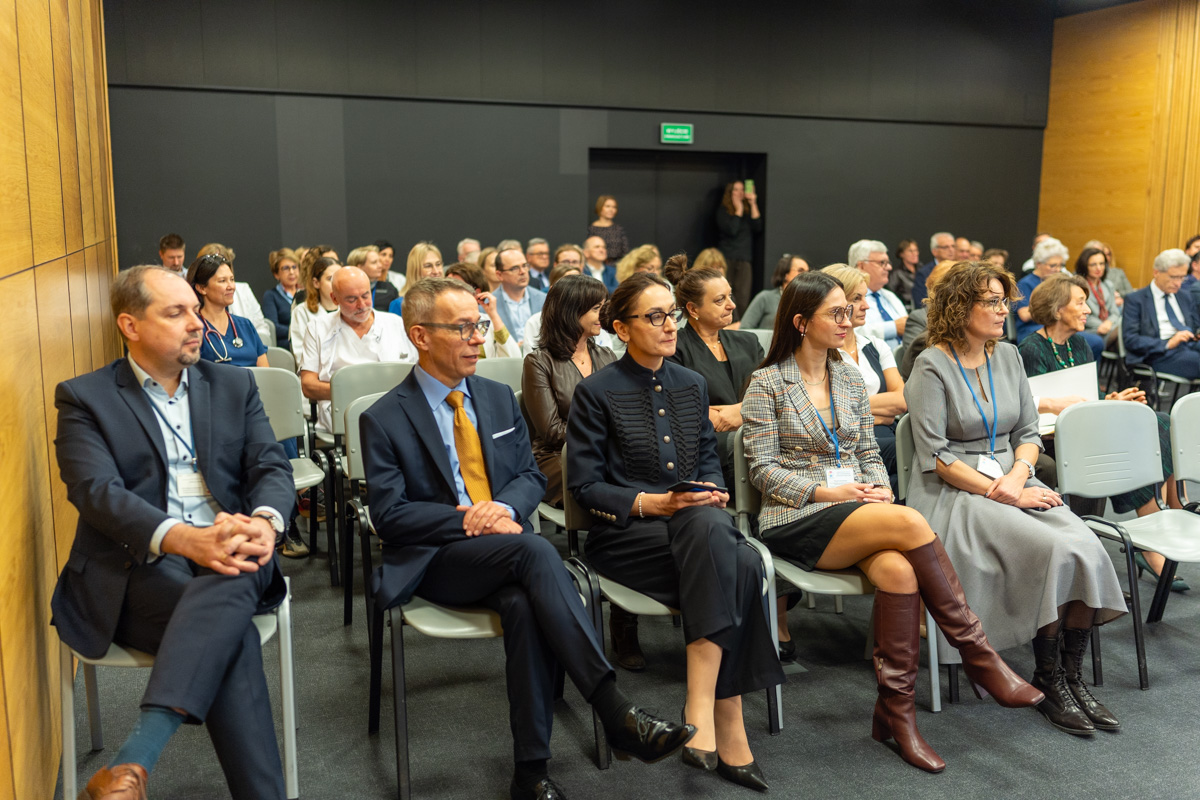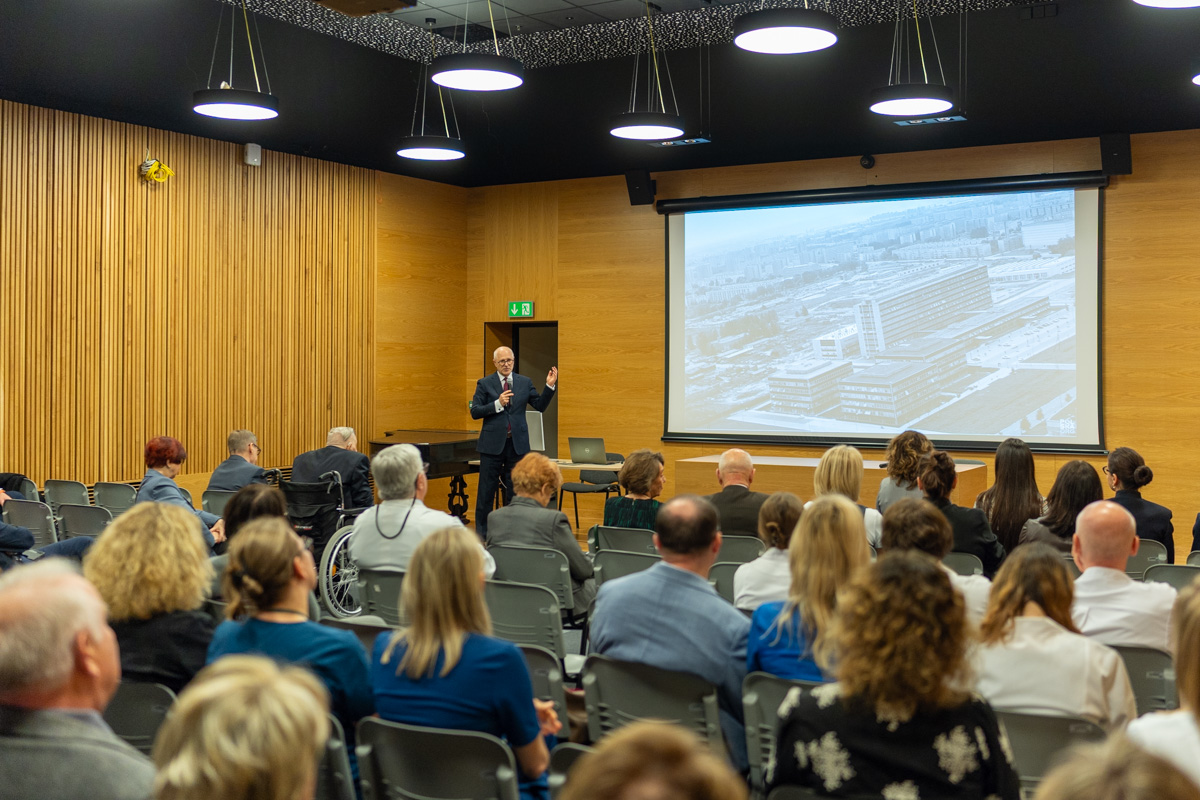
The Clinic was established in 1975 as a 27-bed internal medicine ward at the newly opened Central Teaching Hospital of the Medical Academy. The ward was designed to provide internal medicine care to patients treated in surgical clinics. Its first head was Professor Wacław Droszcz, a respected physician and an outstanding allergologist, pulmonologist, and internist. In 1976, the Department of Pulmonology was established based on this ward, and since then the unit has continued to develop steadily.
50 years of activity
In 1978, the Respiratory Pathophysiology Laboratory was opened, followed in 1980 by the Bronchoscopy Unit, which expanded the range of diagnostic and later also therapeutic bronchoscopic procedures. At the same time, other diagnostic techniques were developed, including pulmonary artery catheterization. In 1986, the Biochemistry and Immunology Laboratory was established. It became a key center supporting scientific research conducted at the Clinic. That same year, the Clinic moved to a different floor and increased the number of beds from 27 to 69. The number of staff members also grew.
In the following decade, the Cytology Laboratory, the Sleep-Disordered Breathing Unit, and the Asthma Treatment Center were established.
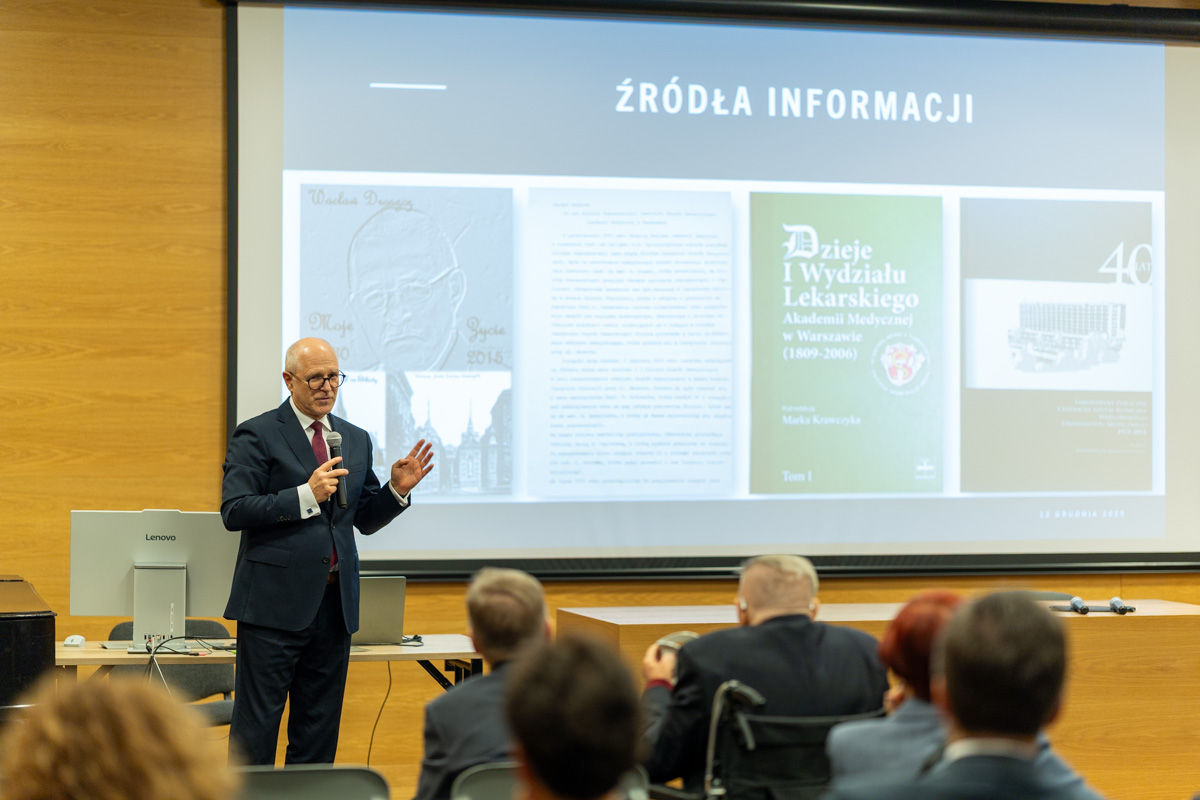
“Severe asthma was a significant respiratory health problem at the time, and this center functioned extremely well for many years,” Prof. Krenke emphasized. “It is also an example of how medicine evolves. Today, asthma treatment is so effective that patients with status asthmaticus are practically no longer seen, so the center was transformed into a pulmonary intensive care subunit.”
In 1991, the Clinic’s team performed the first medical thoracoscopy procedure, which remains one of the Clinic’s hallmarks to this day.
“We now have more than 30 years of experience. Although other centers, for example in Kraków, also attempted to introduce this procedure, they functioned only briefly, whereas we have successfully continued and further developed this technique,” Professor Rafał Krenke noted.
In 2000, Professor Ryszarda Chazan became the Head of the Clinic, and the unit was renamed the Department and Clinic of Internal Medicine, Pulmonology and Allergology. The scope of clinical activity expanded, and new units were established, including the Bronchial Hyperreactivity Testing Laboratory, the Ergospirometry Laboratory, the Immunotherapy Unit, the 24-hour Holter ECG monitoring unit, and the ultrasound laboratory. The endoscopy unit also expanded its services to include transbronchial biopsy and lower esophageal sphincter pH monitoring. In 2003, the Home Oxygen Therapy Center and the Sleep-Disordered Breathing Laboratory were established. In 2008, the Interventional Pulmonology Center was created and equipped with endobronchial ultrasound (EBUS) and other advanced devices, including a diode laser, a cryobiopsy system, a high-frequency ventilator, and an endobronchial navigation system.
In 2014, Prof. Rafał Krenke became the Head of the Clinic. In 2018, the Pulmonary Intensive Monitoring Subunit was established based on the former Asthma Treatment Center. In addition to patients with asthma exacerbations, the unit also treats patients with exacerbations of chronic obstructive pulmonary disease and those with respiratory failure requiring intensive monitoring and treatment.
The Clinic today
The Clinic currently includes the Pulmonary Function Testing Laboratory, the Interventional Pulmonology Center, the Laboratory Diagnostics Center for Respiratory Diseases, the Sleep-Disordered Breathing Center, the Immunotherapy Unit, the Home Oxygen Therapy Center, and the Pulmonary Intensive Monitoring Subunit.
“The activities carried out in all the centers operating within the Clinic, and I can say this with exaggeration whatsoever, are performed at a world-class level,” Prof. Krenke emphasized.
Each year, the Clinic hospitalizes more than 4,000 patients from across the country. As part of specialized pulmonology care, the Clinic provides comprehensive diagnostics of asthma and chronic obstructive pulmonary disease, treats exacerbations of these conditions, and manages patients with respiratory failure. It also hospitalizes patients with infectious diseases of the respiratory tract, including pneumonia and bronchitis. Comprehensive diagnostics of lung tumors play an important role, and for many years the Clinic has specialized in the diagnosis and treatment of pleural diseases.
In addition to providing clinical services, the Clinic has always been involved in teaching activities. Initially, medical students were taught phthisiology, but the scope of teaching gradually expanded. Today, the Clinic conducts classes in internal medicine diagnostics and provides lectures, seminars, bedside teaching, and practical classes in pulmonology and allergology for students of the Faculty of Medicine.
The Clinic also organizes mandatory and advanced training courses as part of specialization programs in internal medicine, pulmonary diseases, and allergology.
Scientific activity is another important aspect of the Clinic’s work. Currently, several research projects are being conducted, focusing on topics such as biomarkers in tuberculous exudative pleuritis, local immune response in lung cancer, and phenotypes of patients with chronic obstructive pulmonary disease.